

























































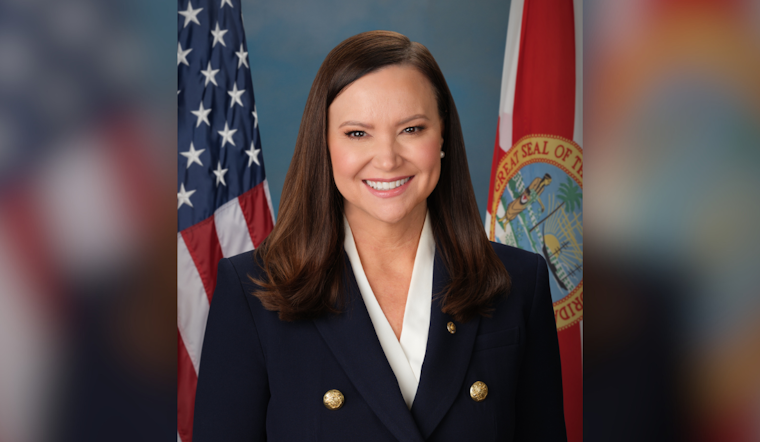
Florida Sen. Ashley Moody is looking to make health care fraud a far riskier gamble. Her new federal proposal, the Punishing Health Care Fraudsters Act, would sharply increase criminal and financial penalties for people and companies convicted of cheating the system. The measure targets a range of offenses, from falsified claims to illegal kickbacks, and would give judges much higher maximum prison terms and fines than current law allows. Supporters argue the tougher approach is about protecting patients and taxpayers from schemes that quietly siphon money away from real care.
Moody has framed the bill as a taxpayer-protection move, calling recent fraud cases “a cancer” that has eroded trust and driven up costs, according to the U.S. Senate. Her office says the legislation is designed to arm prosecutors and judges with stronger tools to pursue repeat offenders and organized schemes that zero in on federal and state health programs.
What the bill would change
Filed as S.3593, the bill would raise the maximum prison term for general health fraud offenses from 10 to 25 years and increase the maximum penalty for fraud that results in bodily injury to 30 years. It would also hike fines, for example boosting the cap for defrauding federal health programs from $100,000 to $250,000, increasing penalties for illegal kickbacks, and raising sanctions for repeat Medicare providers. The measure also directs the U.S. Sentencing Commission to review and amend its guidelines to match the tougher stance, according to the bill text and summary on Congress.gov.
Why Minnesota Is In The Mix
To sell the need for the bill, Moody has pointed to recent reporting and federal prosecutors’ statements about billing anomalies in Minnesota. Prosecutors have flagged suspicious billing across 14 Medicaid programs that they say could total in the billions, although state officials and local coverage have cautioned against taking a widely cited $9 billion estimate at face value, as reported by the Star Tribune. At the same time, Minnesota officials have launched a revalidation push and started recruiting staff to conduct site checks of high risk providers, according to the Minnesota Reformer.
What Comes Next
The bill was introduced in the Senate in early January, then read twice and sent to the Judiciary Committee. What happens there, including any hearings or amendments, will determine whether the measure ever reaches the floor. Moody will need to line up support in committee and among Senate leadership before any of the proposed sentencing changes can become law, according to the status listed on Congress.gov.
A Broader Republican Push Against Fraud
Moody’s bill is also being pitched as part of a broader Republican crackdown on fraud. GOP senators have tied it to a larger anti-fraud effort, including a task force announced by Republicans on the Senate HELP and Judiciary committees, positioning S.3593 as one piece of a wider campaign to claw back taxpayer dollars. Moody’s announcement has already filtered down to local audiences, with outlets such as West Orlando News republishing the rollout for Florida readers.
Supporters say stiffer sentences and higher fines will scare off organized schemes that drain public programs and boost the government’s chances of recouping losses. Skeptics counter that enforcement will need to be carefully targeted so legitimate providers and vulnerable communities are not swept up in aggressive crackdowns. For now, S.3593 sits in committee while investigators continue probing recent fraud allegations and states move ahead with their own administrative fixes.





