

























































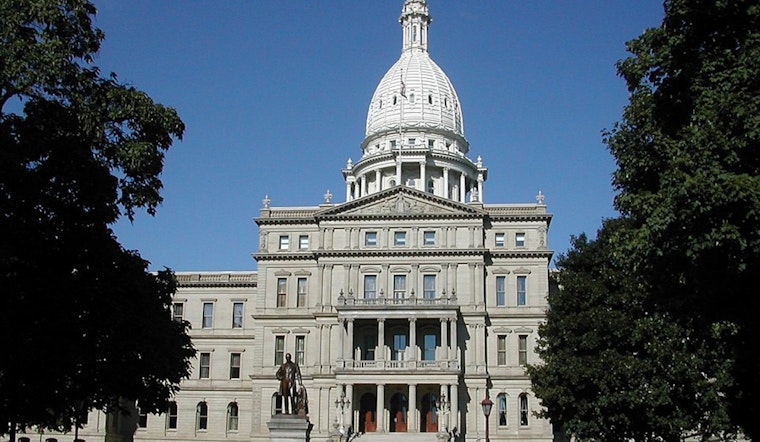
Michigan is gearing up for a statewide fight over kratom, the controversial herbal product often sold at gas stations and smoke shops. Last Thursday, lawmakers in Lansing introduced a bill that would outlaw kratom in every form, turning its production and sale into a misdemeanor crime.
House Bill 5537, sponsored by Rep. Cam Cavitt, would ban growing, synthesizing, selling or offering to sell kratom or any synthetic version of it. The proposal includes possible jail time, fines and tougher penalties for selling to minors. It has been sent to the House Committee on Regulatory Reform.
What the bill would do
The bill text defines "kratom" as a product containing any part of the plant Mitragyna speciosa, including leaves, extracts, resins, compounds, salts, derivatives, mixtures and preparations. It also specifies that synthetic variants such as 7-hydroxymitragynine are covered. If approved, that language would sweep a wide range of over the counter kratom products off Michigan shelves, according to LegiScan.
Penalties and timing
The bill states that a person shall not grow, synthesize, sell, or offer to sell kratom or a synthetic variant of kratom. A first offense would be a misdemeanor, with penalties of up to 90 days in jail and fines up to $5,000. Jail terms and fines climb for repeat violations and when sales involve people under 18, and the measure includes higher penalties for repeat sellers who sell to minors.
The proposal would take effect 90 days after enactment, according to the published bill language at LegiScan.
Federal action intensifies concern
Michigan lawmakers are not moving in a vacuum. Federal regulators have been targeting concentrated kratom byproducts, particularly 7-hydroxymitragynine, often shortened to 7-OH.
In July 2025, the FDA sent warning letters to companies selling products containing 7-OH and urged the DEA to consider classifying 7-OH as a controlled substance. The agency warned that "7-OH is an opioid that can be more potent than morphine," according to the FDA.
Local ordinances and fallout
Even before the statewide ban proposal surfaced, some Michigan communities had already started tightening the screws on kratom.
Clinton Township voted in January to ban kratom sales to anyone under 21, require ID checks at the counter and impose fines for violations. Local officials and treatment providers told reporters that unregulated kratom products sold in gas stations and smoke shops have been tied to addiction, setbacks in substance use treatment and easy access for teens, according to ClickOnDetroit.
Where supporters and critics stand
Rep. Cam Cavitt previously supported a regulatory approach, but he is now pushing a full ban, saying the move is about protecting kids and keeping what he calls "gas station heroin" out of neighborhood shops, according to a release from the Michigan House Republicans.
Supporters of the bill point to deaths and other reports involving concentrated 7-OH products. On the other side, kratom users and some advocates argue that regulated access to leaf based kratom is important. Public health sources warn that kratom can lead to seizures, liver injury and dependence, per the Mayo Clinic.
What’s next
House Bill 5537 sits with the House Committee on Regulatory Reform, and no hearing date has been posted yet. If the committee advances the bill, it will head to the full House for debate and a vote. Retailers and public health organizations are preparing to track every move, according to FOX 2 Detroit.
Whether Michigan follows other states in banning or tightly regulating kratom will likely hinge on how lawmakers weigh federal safety warnings against calls for controlled, legal access. Expect the fight to unfold in committee rooms and city halls, as officials review evidence about concentrated 7-OH products and the broader impact on communities.





