

























































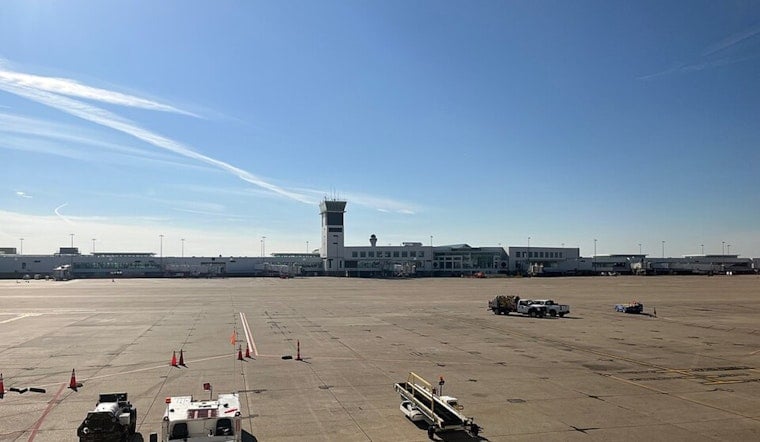
An Alaska Airlines-operated Amazon cargo jet was forced into a tense emergency return to Cincinnati/Northern Kentucky International Airport on Jan. 28 after a flock of geese slammed into the aircraft shortly after takeoff, according to federal investigators. The two-person crew brought the Airbus A330 back on the ground without injuries. In a preliminary report, the National Transportation Safety Board said the flight suffered an engine failure, smoke in the cockpit and bird remains spread across multiple parts of the jet.
What investigators say
According to the NTSB, the captain called out “birds” as the freighter climbed away from CVG, and the crew felt several impacts before the left engine quit and smoke began filling the cockpit. The pilots pulled on their oxygen masks during the turn back toward the airport, then removed them once the smoke thinned, according to AeroInside. Post-accident inspections uncovered bird remnants on the left main landing gear door and strut, the left inboard flap, the right-engine pylon and slat tracks, and investigators said at least eight Canada geese were killed. Photos and notes documented a visibly skewed fan and mangled blades in the left engine, and the NTSB has classified the event as an accident while it continues its work.
Timeline and crew response
Flight data show the freighter, operating as Alaska Airlines 2616, departed CVG at about 3:05 p.m. and touched back down roughly eight minutes later, according to Flightradar24. Air-traffic audio captured by industry outlets records the crew telling controllers, “Left engine, we took a bird intake,” then reporting, “we have smoke in the cockpit,” before later asking for a ladder because the fire was on the left side, AeroXplorer reported. After the jet rolled to a stop on the runway, airport crash-fire crews checked it over, found no active fire and had the aircraft towed to Amazon’s hub for closer inspection.
Damage on the airframe
Investigators found the interior of the left engine shredded by bird ingestion and confirmed that both engines had taken hits, with the left suffering substantial damage, according to the New York Post. Bird debris was also scattered across wing and landing-gear surfaces, lining up with the severe fan-blade damage seen in photographs. Investigators say the sheer scale of the strike, with multiple birds impacting the aircraft, helps explain why the crew declared an emergency so quickly.
Safety context and what comes next
The incident taps into broader NTSB worries about smoke entering cockpits after bird strikes and the board’s push for technical fixes to engine systems that can release burning oil and generate smoke, as reported by the Associated Press. Investigators are continuing on-scene work and plan to analyze engine hardware, crew performance and CVG’s wildlife-management efforts before issuing a final report. Regulators and manufacturers typically comb through these findings to decide whether to adjust procedures, training or equipment.
Amazon told reporters the aircraft “experienced a bird strike shortly after takeoff” and that “no one was hurt and the crew is safe,” according to People. Local outlets described a heavy emergency response on the airfield and an on-runway inspection by crash-fire crews, per FOX19. The NTSB investigation remains open, and officials say they will release a probable-cause finding after completing component examinations and data analysis.





