

























































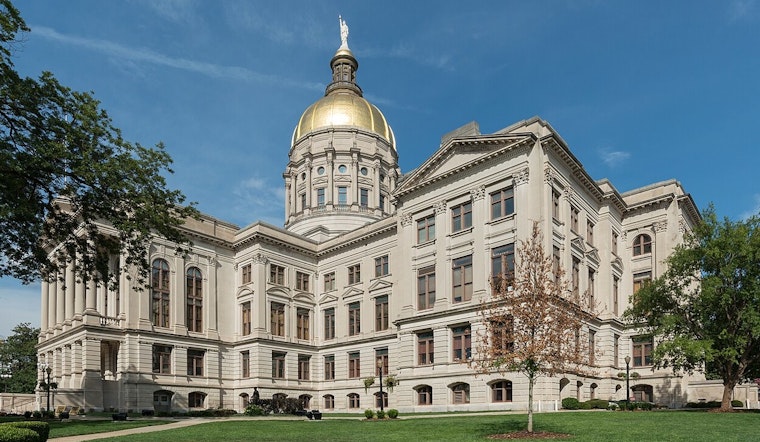
A fresh fight is brewing under the Gold Dome as Georgia lawmakers push a bill that would keep police body camera video of a person’s death out of public view. Supporters say the move is about protecting grieving families and stopping grim footage from being turned into viral content, while critics warn it could slam the door on a key tool for exposing police misconduct. The proposal has quickly become a flashpoint at the State Capitol, with privacy and transparency squaring off over what the public should be allowed to see.
What the bill would change
House Bill 1223 would tweak Code Section 50-18-72 to carve out a new exemption in Georgia's open records law for audio and video recordings by law enforcement that show a person's death. The measure lists Rep. Joseph Gullett as the lead sponsor, backed by a bipartisan group of co-sponsors, and is parked in the House Judiciary Committee for now. According to LegiScan, the bill was introduced Feb. 5 and has already received its first and second readings.
Supporters say it protects families
Rep. Joseph Gullett has told local outlets that the goal is to keep video of a person’s final moments from being splashed across the internet while still preserving access for the people directly involved. He says the bill is aimed at shutting out "click-for-views" operators and keeping the focus on investigations, courts and loved ones.
"It will be still available for investigations, civil court proceeding and to the families. It shouldn’t be for driving traffic to your YouTube channel or website just to watch peoples’ final moments," Gullett said, as reported by 95.5 WSB. Backers insist the measure is a targeted privacy safeguard, not a blanket secrecy law.
Critics worry it could block oversight
Opponents, including Democratic Rep. Eric Bell, counter that limiting public access to these recordings would blunt one of the few tools available for outside scrutiny of law enforcement. They argue that without public pressure driven by released footage, it becomes far harder to spot patterns of abuse or botched procedures.
"Access to such videos can expose improperly followed law enforcement procedures," Bell said, according to FOX 5 Atlanta, warning that the measure could end up shielding agencies from the kind of independent review that often starts with bodycam clips. The emerging debate is breaking along lines of trauma, public interest and how death footage is shared and used long after a fatal encounter.
How other states treat fatal recordings
Georgia is hardly alone in wrestling with this issue. Investigative reporting by ProPublica has found that, across the country, footage of deadly encounters is frequently kept from public view even when officers are wearing cameras. States take sharply different approaches: some require relatively quick release of video after an officer-involved death, while others treat such recordings as investigative files that can be withheld, creating a messy patchwork of rules. That national split is one reason both privacy advocates and open-government supporters are watching Georgia’s next move so closely.
Legal implications
The draft bill does not shut the door entirely. It builds in exceptions that would let certain people obtain the footage, including families and estate representatives, parents or guardians of minors, criminal defendants or civil litigants and their lawyers, as long as they submit a sworn affidavit. Judges could also order release in specific cases. BillTrack50's summary of HB 1223 outlines these carve-outs and notes the measure’s stated aim of balancing privacy rights with ongoing legal processes.
Open-records attorneys and media advocates, however, caution that even narrowly worded exemptions can expand over time and quietly squeeze out opportunities for independent review. That concern has been repeatedly flagged by the Reporters Committee and other watchdog groups that track access to police video.
What's next
After its initial readings in early February, HB 1223 is awaiting action in the House Judiciary Committee, where lawmakers could tinker with the language before deciding whether to move it forward. Legislative tracking indicates supporters expect hearings and potential amendments as the bill gets a closer look, while critics are gearing up to argue that any changes must preserve robust access in cases with clear public interest. For now, the measure has kicked off a broader debate under the Gold Dome over when grief and privacy should outweigh the public’s right to see crucial footage, according to LegiScan.



