

























































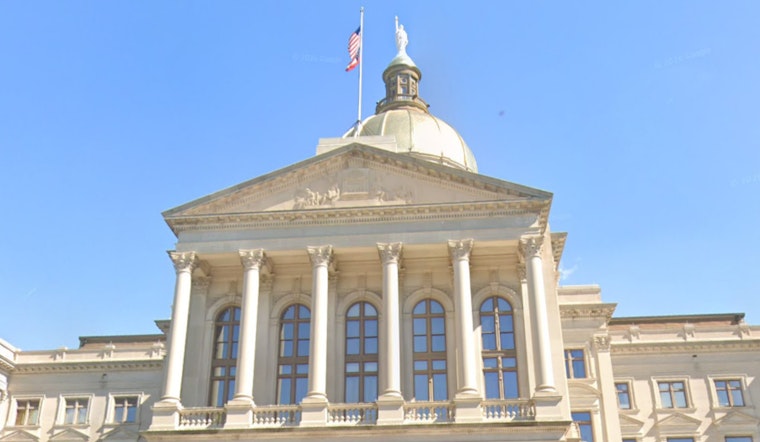
Georgia lawmakers are moving quickly on a bipartisan plan that could let high school athletes earn money from their name, image and likeness while still suiting up for their schools. The proposal, called the Georgia High School NIL Protection Act (HB 383), cleared a House education subcommittee with unanimous support and is now working its way through the legislature. Backers say the bill simply builds guardrails around deals that already happen in the shadows, while skeptics warn that once money walks into the locker room, pressure and potential exploitation are not far behind.
What HB 383 would change
The bill would allow “NIL compensation” for student-athletes but blocks any payment that is tied to attending or playing for a particular school. It also bars athletes from wearing school jerseys or using school logos when they appear in paid endorsements. HB 383 spells out a long list of banned endorsement categories, including alcohol, tobacco, vapor products, cannabis, many controlled or prescription drugs, gambling, adult entertainment and weapons. Most NIL contracts would have to end shortly after a student leaves or graduates, generally ten calendar days after graduation or 30 days after enrollment termination. The measure also forbids schools and school-affiliated entities from directly providing NIL compensation, lets student-athletes obtain professional representation, and requires participating schools to give written notice of NIL rules at the start of each season, according to the bill's text at LegiScan.
Why supporters back the bill
Sponsors say HB 383 is designed to stop predatory, long-term contracts that can follow athletes into college or even the pros, leaving teenagers locked into deals they never fully understood. “Once they graduate high school, those contracts that they have with their agents [are] null and void,” Rep. Brent Cox told FOX 5 Atlanta, arguing that a strict sunset rule will keep kids from being “held hostage” by old agreements. Co-sponsors, including former players, have framed the measure as an effort to bring state law in line with existing high school guidelines while adding explicit contract protections.
Concerns from lawmakers and advocates
Some lawmakers remain uneasy. A number of Democrats and child-safety advocates caution that once cash is on the table, team dynamics can change and minors may be more vulnerable to pressure or exploitation. “These are young adults. We're now talking about 14-year-olds,” Rep. Phil Olaleye said, calling for more robust safeguards around reporting and oversight, as reported by Atlanta News First. Critics also stress that the real test will be enforcement: rules against recruiting inducements and undisclosed agent fees will only matter if schools and athletic associations have the tools and willingness to police them.
How this fits with GHSA and national trends
The bill closely tracks rules the Georgia High School Association adopted in October 2023 and, supporters say, essentially locks into state law the practices GHSA already enforces, including notifying school administrators when deals are signed and blocking the use of school marks in paid promotions. GHSA officials have pointed out that only a very small share of eligible Georgia student-athletes have filed NIL agreements since the association updated its bylaws, a detail lawmakers cite to argue that protections can be tightened without blowing up local sports programs, according to Connect Savannah.
What happens next
The measure advanced out of the House education subcommittee on a voice vote and is slated for further consideration in the full House. If it clears that chamber, it would then head to the state Senate. Legislative trackers currently list the bill as favorably reported by the House committee, while sponsors keep meeting with GHSA officials and other stakeholders to refine definitions and language before any floor votes, per TrackBill.
Legal protections and enforcement
HB 383 would amend both education and minors code so that most NIL contract terms attempting to extend beyond a student's enrollment are considered void. It explicitly allows student-athletes to hire attorneys or certified athlete agents, who must follow the federal Sports Agent Responsibility and Trust Act. The bill also adds oversight steps, including written disclosures by schools and involvement of labor or other state authorities for certain commercial work by minors. Supporters say those layers create real protection, while critics counter that the safeguards will only matter if agencies actively enforce them, according to the bill's text at LegiScan.



