

























































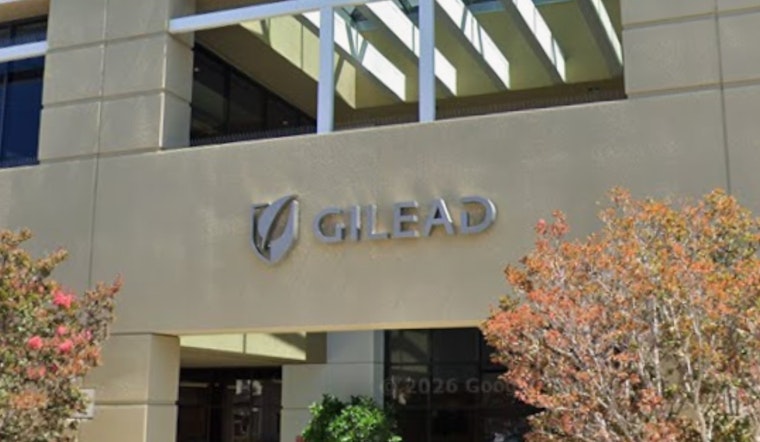
Gilead Sciences is writing a very large check for a hometown partner, announcing today that it will acquire Redwood City biotech Arcellx in a roughly $7.8 billion deal that pulls their joint CAR‑T program, anito‑cel, fully into Gilead’s Kite cell‑therapy unit. The planned buyout would pay $115 per share in cash, plus a potential sweetener tied to future sales, and both companies say their boards have already signed off. For Bay Area biotech watchers, the move looks like Gilead doubling down on next‑generation cell therapies just as the multiple myeloma battle gets more crowded.
Under the terms laid out by the companies, Arcellx stockholders are slated to receive $115.00 per share in cash at closing along with one non‑transferable contingent value right (CVR) that pays $5.00 per share if anito‑cel hits at least $6.0 billion in cumulative global net sales from launch through the end of 2029, according to Gilead. The upfront cash price implies an equity value of about $7.8 billion and, by the companies’ math, works out to roughly a 68 percent premium over Arcellx’s 30‑day volume‑weighted average price as of last Friday. Gilead already owns about 11.5 percent of Arcellx and plans to finish the takeover through a tender offer followed by a second‑step merger.
Investors clearly liked what they heard: Arcellx shares jumped roughly 78 percent after the news broke, while analysts and rivals started rethinking their assumptions about the BCMA CAR‑T landscape, Barron's reported. The reaction is a reminder that in the cell‑therapy world, a strong data package and a clear path with the FDA can move valuations in a hurry.
Why Gilead Is Paying Up
Gilead says the acquisition is all about pushing anito‑cel to market faster. The companies note that the therapy’s Biologics License Application has already been accepted by the FDA, with a PDUFA action date of Dec. 23, 2026, and is backed by Phase 1 and pivotal iMMagine1 Phase 2 results. “This agreement reflects our conviction in the potential of anito-cel,” Gilead CEO Daniel O’Day said in the company statement, adding that the D‑domain BCMA binder that underpins anito‑cel could also play a role in Gilead’s in‑vivo cell‑therapy efforts. Gilead also stated that, assuming regulatory approval and a standard commercial rollout, the transaction is expected to be accretive to earnings per share beginning in 2028.
What The Data And Market Signal Mean
Industry coverage points to strong pivotal‑stage responses and what is described as a manageable safety profile as the immediate logic behind the buyout, lining up anito‑cel to square off against existing BCMA products in later treatment lines. STAT noted that the clinical results and the approaching FDA action date helped turn Arcellx into an appealing near‑term asset for a larger player with commercial muscle.
Regulatory And Shareholder Steps Ahead
The boards have agreed on the deal, and the companies say they expect it to close in the second quarter of 2026, but several boxes still need to be checked. The transaction remains subject to customary closing conditions, including antitrust and other regulatory clearances and the tender of a majority of Arcellx shares, according to deal documents and summaries. Coverage of the paperwork also points out that the formal tender offer has not yet started and that a Schedule TO and related solicitation documents will be filed with the SEC once it does, based on market summaries of the filings. TradingView highlighted those procedural steps and noted that insiders and certain shareholders have already agreed to support the deal in an effort to boost closing certainty.
Why Bay Area Observers Are Watching
The deal links two Bay Area hubs of discovery and commercialization, a reminder that regional biotech clusters still sit at the center of cell‑therapy innovation and of big‑ticket strategic shopping by large drugmakers looking for scale. The Financial Times cast the transaction as part of a broader consolidation wave that is reshaping where and how CAR‑T products are developed and brought to market. Financial Times coverage emphasized both the strategic rationale and the broader market backdrop that help explain the premium Gilead is willing to pay.
For investors and Arcellx shareholders, the fine print will live in the tender offer documents, Schedule TO and other expected SEC filings, which will be posted on Arcellx’s investor site as they go live. Both companies have stressed that these materials will contain important information and that the transaction is still subject to the usual deal risks. Arcellx Investor Relations lists the filings that will be made available as the process moves forward.





