

























































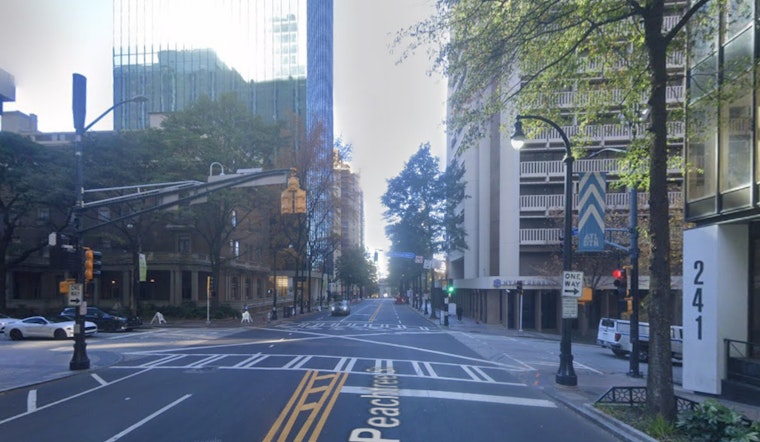
On Wednesday, the family of Pradeep Sood marked the anniversary of his death by gathering with street safety advocates on Peachtree Street and renewing a simple but pointed demand: build a raised, permanent crosswalk where he was killed. Sood was struck and killed while crossing the busy downtown corridor in 2025, and his relatives say the faint paint that remains at the site still leaves people guessing and in danger. Standing with advocates and two Atlanta City Council members, the family called for an elevated crossing that would slow drivers and make people on foot harder to miss.
As reported by Atlanta News First, Sood’s daughter Puja Jabbour told the crowd, "My father never made it to the other side," and urged city officials to show "collaboration, compassion, and a shared commitment" to pedestrian safety. The family joined a coalition of safe streets groups that pressed city leaders on why a new, clearly marked crossing has not gone in, even after the Atlanta City Council backed improvements. Advocates argue the block is a natural crossing point between Peachtree Center and the AmericasMart complex and say the street’s design should reflect the constant foot traffic.
Council Pushes To Restore Crosswalk
The Atlanta City Council has already gone on record. Members passed a resolution asking the mayor’s office to reinstall and upgrade the mid block crossing, calling for permanent striping, flashing beacons and clear signage. The crosswalk originally appeared during the 2021 "Peachtree Shared Street" pilot, then was mostly removed in 2022 after political pushback. That decision left behind confusing, faded paint that has tripped up both drivers and pedestrians, according to The Atlanta Journal-Constitution. Several council members now say the rollback made downtown more car centric and that one of the city’s marquee streets deserves a clearer, safer design.
Advocates Call For Raised Crosswalks
Street safety groups, led by Propel ATL, are not just asking the city to repaint old lines. They want a raised crosswalk, essentially a speed-table style crossing that lines up with the sidewalk so drivers have to slow down to go over it. Propel ATL executive director Rebecca Serna said raised crossings "make it safer to cross because they slow down drivers" in an interview with FOX 5 Atlanta. Advocates point to a raised crossing at Krog Street as proof the city can deliver that kind of design when it wants to. Local coverage also noted that Sood’s relatives were part of a broader coalition pushing Atlanta to move the Peachtree project out of the talk phase and into actual construction, a campaign Urbanize Atlanta has followed.
City Says It Needs Funding And Design Work
City transportation officials have a different timeline. The Atlanta Department of Transportation says crews have now removed the fading paint entirely and that the location has not been an active, official crosswalk since 2023. Reestablishing it, the department told reporters, would require new traffic control devices and dedicated funding, neither of which is included in the current resurfacing work on Peachtree. Instead, the city says the corridor will be folded into a longer term "Moving Atlanta Forward" design effort. Those comments were reported by Atlanta News First.
Why A Raised Crosswalk Matters
Federal guidance and years of transportation research back up what advocates are saying. Vertical deflection tools like raised crossings consistently bring down vehicle speeds and can cut the risk of people on foot being hit. The Federal Highway Administration highlights safety gains from raised medians and raised pedestrian crossings, and a literature review cited by the National Academies found substantial drops in vehicle pedestrian crashes in before and after studies where raised crossings were installed. Those findings underpin advocates’ push for a physical, built intervention on Peachtree instead of a simple paint job, arguing it is the most reliable way to prevent another tragedy. The technical background is laid out by the FHWA and the National Academies.
Organizers say they plan to keep the pressure on City Hall and to use the Moving Atlanta Forward process and its public meetings as a way to secure a fully funded, engineered fix. Local reporting has already chronicled both the earlier removal of the crosswalk and the city’s promise to wrap Peachtree into a longer term safe streets strategy, but advocates argue the time for process is over and the time for construction is here. Coverage of the removal of the misleading Peachtree crosswalk and other reporting have tracked the debate as it continues to play out in full view on one of Atlanta’s busiest streets.





