

























































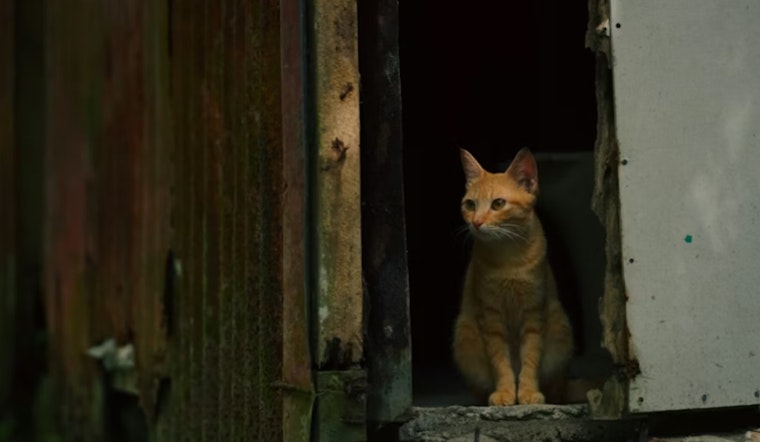
Hawaii lawmakers in Honolulu are considering bills to crack down on free-roaming cats by requiring most pet cats to be spayed or neutered and restricting the import of intact animals, aiming to protect native birds and reduce disease. The proposals also include a new Spay and Neuter Special Fund, civil penalties, and updated import rules for cats and dogs. Supporters say the measures address environmental and health concerns, while critics argue the language may be too broad and could affect responsible indoor owners, hobby breeders, and even travelers.
What the Bills Would Do
One key measure, HB 1736, would make it illegal to own a cat older than five months that has not been surgically sterilized, with narrow exemptions. It would also create a Spay and Neuter Special Fund to reimburse counties for surgeries and related veterinary care, and set up an income-tax checkoff and direct appropriations so money can be funneled to counties for those fixed-animal services, according to LegiScan.
New Rules for Imported Pets
A separate proposal, HB 1594, paired with companion bill SB 3012, takes aim at animals entering the state. It would require documentation showing any dog or cat brought into Hawaii has been surgically sterilized, with exemptions for short visits, medical necessity and registered breeders. Committee records show the House version was referred, then recommended for deferral, while the Senate companion remained alive, per BillTrack50.
Who Is Backing the Push
The Hawaiian Humane Society lined up in strong support of establishing the spay-and-neuter fund, telling lawmakers that expanding accessible sterilization services is a cornerstone of humane management for free-roaming cats. That testimony, along with other hearing records, is archived by Civil Beat/Digital Democracy.
Conservation and Public Health Rationale
State conservation officials and advocates argue the tougher rules are overdue, pointing to feral and free-roaming cats that hunt native birds and spread parasites such as Toxoplasma gondii, which can threaten both wildlife and human health. The Department of Land and Natural Resources reports cats in habitats from sea level all the way up the slopes of Mauna Kea and says predation and disease are undermining recovery efforts for species including ʻuaʻu, palila and nēnē. The conservation case is laid out in detail in the agency's invasive-species profile and related materials at DLNR/HISC.
Pushback From Breeders and Caretakers
On the other side, breeder organizations, cat show participants and several rescue and community-care groups told lawmakers the bills overreach. They say mandatory sterilization and strict import documentation rules would punish responsible owners, people traveling for competitions and community caregivers who manage colonies. Opponents including the Cat Fanciers of Hawaii and Pacific Pet Alliance argued the measures would not meaningfully fix overpopulation but could end up criminalizing everyday ownership, according to the Star-Advertiser.
Local Action and Where This Heads Next
Even as the state debates its approach, some counties are already tightening the rules on the ground. Hawaiʻi County's ban on feeding feral animals on county-managed land took effect on Jan. 1, 2026, a shift Big Island Now reported along with other new laws. At the state level, HB 1736 cleared the House Agriculture committee with amendments and was scheduled for a Judiciary & Hawaiian Affairs hearing on Tuesday, while HB 1594 was recommended for deferral. Legislative action logs for the sterilization fund bill are available on TrackBill.
Legal and Enforcement Questions
HB 1736 would bring real financial teeth, setting civil penalties of $500 to $1,000 per violation per cat. HB 1594, meanwhile, directs the Department of Agriculture and Biosecurity to establish documentation standards and maintain a breeder registry, raising practical questions about how officers at Hawaii's ports will verify paperwork and how exemptions for medical cases and short-term imports will play out. The full draft language and exemption details are posted on the Hawaii State Legislature's bill pages at Hawaii State Legislature and Hawaii State Legislature.



