

























































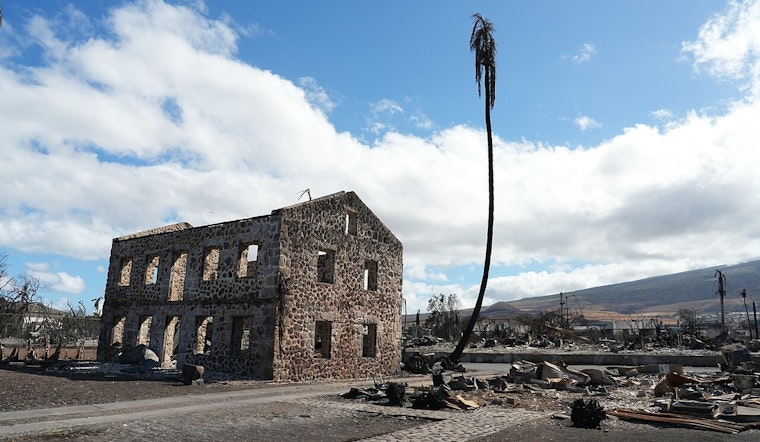
Hawaii lawmakers are taking a harder line with insurance companies after the 2023 Maui wildfires, rolling out a slate of bills that would reshape how claims and living expenses are handled after a declared disaster. The proposals would give survivors more time to file for full replacement-cost coverage, require faster checks for temporary housing, and stop insurers from cutting benefits if people choose to rebuild somewhere new.
As reported by Honolulu Civil Beat, the package is led by Sen. Angus McKelvey, who lost his Lahaina home, and consists of eight bills designed to expand living-expense benefits and tighten insurance rules. Sherry Peterson of the nonprofit United Policyholders, who drafted early versions, told Civil Beat, "When you have a catastrophic disaster, compounded by our housing situation in Hawaiʻi, 24 months of additional living expenses is not enough." Civil Beat also reported that the fires destroyed roughly 2,200 buildings and that insurer payouts have lagged behind estimated losses.
Key proposals in the package
Two bills sit at the heart of the overhaul. SB 2961 would require insurers to advance at least four months of additional living expenses within seven days of a total loss and guarantee a minimum of 36 months of benefits. SB 2960 would set a 36-month minimum window for policyholders to turn in documentation needed to recover full replacement-cost value, with the option to extend that timeline for good cause. Supporters say the longer runway matches the slow, supply-constrained rebuilding environment in Hawaii.
Other bills in the package would clear away some paperwork and close a few loopholes. One measure would end the requirement for detailed, itemized inventories of personal property after a total loss (SB 2963). Another would let homeowners rebuild at a different location without losing replacement-cost payments (SB 2962). Additional proposals would mandate annual replacement-cost disclosures (SB 2964) and require automatic refunds of unearned premiums and premium adjustments after a total loss (SB 2966). The package would also require insurers to give notice and factual reasons before nonrenewing a policy and give homeowners a chance to fix correctable issues (SB 2965), and it would require mortgage servicers to pay interest on insurance funds they hold in escrow (SB 2951). As Honolulu Civil Beat noted, the authors say the plan would bring Hawaii closer to reforms already on the books in Oregon, California and Colorado.
Why survivors' advocates back the changes
Survivors and their advocates say none of this is theoretical. Families have reported paying mortgages and premiums on homes that burned while watching their temporary-housing benefits run dry. Maui Now reports that lawmakers are also considering tweaks to state recovery funding aimed at speeding up rebuilding while insurance claims wind their way through the system.
Legal and market implications
Insurance industry groups have a long history of pushing back on broad consumer protections, warning they lead to higher costs and companies pulling out of markets. The settlement and subrogation fights emerging from the Maui wildfire litigation have already surfaced some of those worries. As reported by Insurance Business, analysts say this new batch of bills could trigger more industry resistance even as sponsors insist the measures are narrowly crafted to help survivors rebuild.
The bills were introduced in late January and sent to key Senate committees, where hearings and markups will decide which pieces move forward this session. Backers say that even if only part of the package becomes law, it would significantly affect how quickly survivors see cash in hand and whether homeowners can rebuild without putting their benefits at risk.





