

























































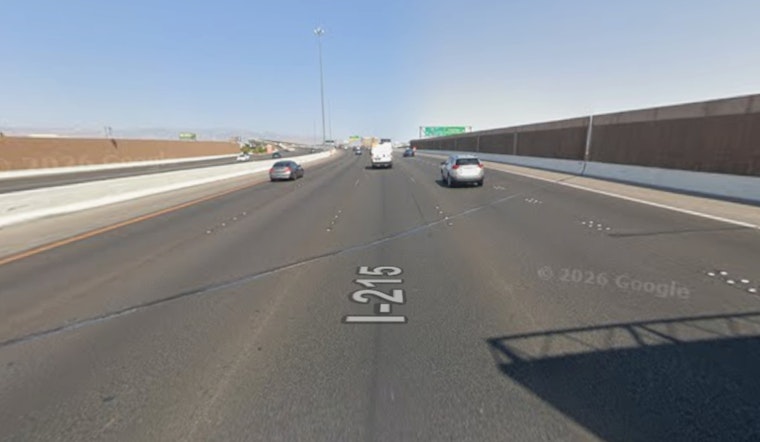
Drivers were caught speeding through a construction zone on the I-215 Beltway near Stephanie Street, with one vehicle clocked at 86 mph in a 55 mph area. Construction crews, working just five to seven feet from traffic, warned that such high speeds create immediate safety risks and can halt work when lane protections need rebuilding.
A local TV investigation using a radar gun and digital speed sign documented multiple cars exceeding the limit, sparking interviews and online debate. The footage fueled discussions on whether drivers were keeping pace with traffic or clearly breaking the law, and whether automated enforcement tools should be used in work zones, according to FOX5.
"People forget about us basically, they don't consider us," one worker told the reporter after being shown the speed readings, per FOX5. Employees said concrete barriers offer some measure of protection but cannot fully eliminate the danger when vehicles are flying past at highway speeds. Contractors also warned that repeatedly tearing down and reassembling lane closures to re-secure the work area costs crews time and can delay project schedules.
Work Zone Rules And Enforcement
The I-215 widening project between Stephanie Street and Pecos/St. Rose Parkway carries a temporary 55 mph speed limit while crews widen lanes and install lighting and drainage, according to the project's construction updates. Henderson 215 lists nightly lane reductions and other traffic impacts that require slower speeds for the safety of workers and drivers. City and project officials post regular notices about overnight closures and reduced lanes as work moves along the corridor.
Why Speed Matters And What Officials Propose
State data and UNLV researchers say speed and impairment remain top contributing factors in Nevada crashes, with one estimate showing roughly one-third of traffic fatalities tied to speeding, according to reporting on statewide crash trends. ThisIsReno summarizes that research and state data. Local safety experts, including UNLV's Erin Breen, have pointed to time-and-distance physics, meaning less reaction time and longer stopping distance at higher speeds, and suggested stepped-up enforcement and automated speed cameras as possible countermeasures. Cameras, however, face legal and political hurdles in Nevada, as detailed by the Las Vegas Review-Journal.
Legal Consequences For Drivers
Under Nevada law, reckless or extreme speeding can lead to misdemeanor charges with fines and other penalties; first-offense reckless driving penalties commonly range from $250 to $1,000 and can include jail time or license suspension in aggravated cases, according to a state overview of reckless-driving penalties. The Traffic Safety Institute's summary of Nevada statutes notes that penalties increase when offenses occur in protected zones or lead to injury, and that courts have discretion to impose stiffer fines for endangering life or property. For many local work-zone citations, prosecutors and municipal courts determine exact fines and whether charges rise to the level of reckless driving.
Project managers and safety advocates say the most immediate tools are targeted enforcement patrols and clearer work-zone messaging, while researchers argue that engineering changes and automated detection would help change driver behavior over time. With long-running work on the 215 still scheduled through the coming months, crews and safety officials said they will keep pushing for a mix of enforcement, outreach and project design to reduce the risk to workers and drivers alike.





