

























































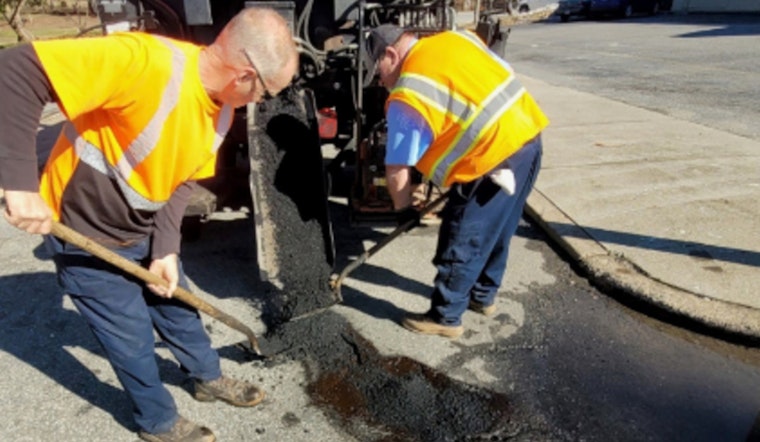
Winter is known for its majestic snowfalls, but for the asphalt streets of Hickory, it's also the season of potholes. According to a recent report by the city, the cascades of snow and ice, coupled with fluctuating temperatures, contribute significantly to the weakening of the pavement. These elements cause water to seep into crevices, and as the mercury drops, it freezes and expands, forcing the asphalt apart and creating the car-jarring potholes we're all too familiar with.
The process is made worse by road treatments designed to ensure safety. Brine, a salt solution used widely before storms, while helpful for melting ice, can actually quicken the deterioration of the pavement. The salt lowers the freezing point of water, causing roads to go through more freeze-thaw cycles when temperatures hit extreme lows. It's an unfortunate consequence that the very measures taken to make travel safer can also backfire to compromise our roads, as reported by officials.
But the situation isn't left unchecked. When potholes do emerge, they present hazards that can lead to vehicle damage or worse. It's crucial to report these issues promptly. The City of Hickory encourages residents to contact Public Services at 828-323-7500 or utilize the online request through the Action Center for potholes on City-maintained streets, aiming to address reported potholes in a span of fewer than 24 hours.
However, not all roads fall under the City's jurisdiction. State-owned roads are the responsibility of the North Carolina Department of Transportation (NCDOT), pledged to repair potholes within two business days of receiving a report through their online system. For other issues with state-maintained roads, NCDOT encourages the public to reach out, as they shared in a statement, to maintain safety and preserve road conditions.
In a collaborative effort between the City of Hickory and NCDOT, major routes such as I-40, U.S. 70, and N.C. 127 are closely monitored and managed.





