

























































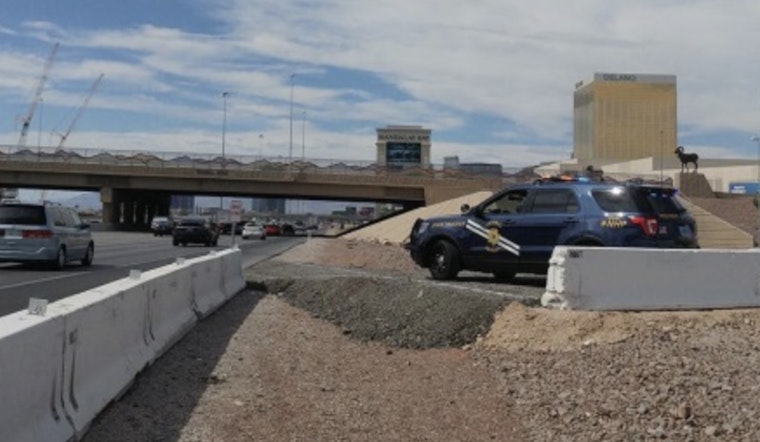
Las Vegas drivers are in for a noisy, cone-filled 2026 as major stretches of I‑11 and U.S. 95 get a mix of high-tech gadgets and old-school pavement preservation. State and regional officials say the goal is straightforward: smoother commutes, fewer crashes and a longer life for some very busy freeway pavement.
What’s Planned On I‑11 And U.S. 95
The biggest attention-grabber is a roughly $31 million "tech corridor" planned for about five miles of I‑11 between the Spaghetti Bowl and Summerlin Parkway, paired with a federally funded preservation project on U.S. 95 that will span roughly 17 miles south of Boulder City. That U.S. 95 work will include milling and asphalt overlays, structural repairs, drainage upgrades and tortoise fencing, according to the Las Vegas Review‑Journal. Officials say they are deliberately combining smart-highway technology with traditional pavement work so safety and durability can be tackled at the same time.
How The Tech Corridor Works
On the I‑11 tech corridor, planned features include active-traffic-management signs, wrong-way-driver detection and other intelligent-transportation systems that will feed near-real-time data to traffic operators and law enforcement. Similar deployments and safety pilots that use AI-powered systems and strategic traffic management sites have already been tested by state and regional partners in Southern Nevada, the AASHTO Journal reports.
Pavement Preservation Work And Timelines
Separate from the tech corridor, NDOT is rolling out its own I‑11 pavement preservation package. Work is scheduled to begin this summer between Martin Luther King Boulevard and Lake Mead Boulevard and will include milling and filling, grading, ITS and lighting upgrades, along with widening the I‑11 southbound off-ramp at Jones Boulevard, per the Las Vegas Review‑Journal. NDOT Deputy Director Sajid Sulahria told the agency’s board that the improvements are meant to "support condition management strategies" for highways in the Las Vegas Valley.
What Drivers Should Expect
For drivers, all of this translates to a year of on-and-off disruption: overnight lane closures, temporary ramp shifts and occasional changes to traffic patterns while crews stage equipment and lay down pavement at night. NDOT and its regional partners typically post detours and construction alerts before major work starts. The Nevada Department of Transportation keeps traveler information and Active Traffic Management resources online, where updates and safety notices are published, and commuters are urged to check official channels before peak travel times: Nevada Department of Transportation.
Funding And Why It Matters
The projects are stitched together with a mix of federal funding, regional planning and routine maintenance contracts. Public bid listings show U.S. 95 segments moving through procurement while federal project records list multi-million-dollar investments in Nevada highways. Local bid notices and federal project listings highlight the scope of what is underway, from pavement preservation to safety-focused site installations. For procurement and funding details, see the Nevada Bid Network and FHWA project listings.
Taken together, the tech upgrades and preservation work are intended to cut down on crashes, speed up incident response and delay the need for expensive full reconstructions. In the meantime, commuters should brace for periodic slowdowns throughout the year as agencies phase construction to avoid the worst of rush-hour traffic.





