

























































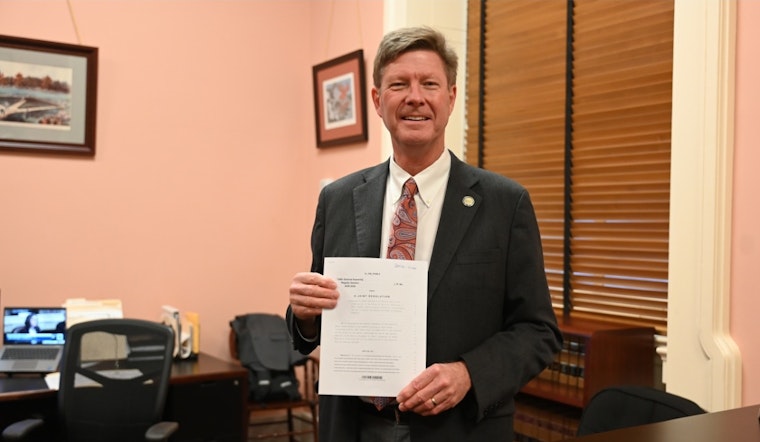
Ohio homeowners could see their property tax bills disappear under a sweeping proposal from State Rep. Mark Hiner (R-Howard), who this week introduced House Joint Resolution 7. The measure would amend the state constitution so that, starting with the 2027 tax year, owner-occupied homes no longer owe property taxes at all. Hiner’s office says that adds up to more than $10 billion in annual relief. Taxes would still apply to non-owner-occupied housing, commercial and industrial real estate, and public-utility personal property.
What HJR 7 Would Do
According to the Ohio House Republican Newsroom, HJR 7 is narrowly focused on a homeowner’s primary residence. For farmers, the exemption would cover the home plus one acre. Sponsors describe the plan as targeted relief that leaves levies on rental, commercial and utility property intact, a way to help people who live in their homes without blowing up the entire property tax system.
The pitch arrives after rapid jumps in property valuations across Ohio, which have translated into sharply higher tax bills for many homeowners. Hiner’s camp is essentially arguing that the state should put a shield around primary residences while keeping other taxable property on the hook.
Where The Measure Stands
LegiScan records show HJR 7 was introduced in the House on Feb. 25 and is now waiting for a committee assignment. Under Ohio’s rules for legislatively initiated constitutional amendments, both the House and Senate must sign off by a three-fifths vote before the joint resolution can be filed with the secretary of state and sent to voters, a process outlined in the Ohio Constitution. If voters approve the amendment at the ballot, it would take effect the following January.
Local Budgets And Tradeoffs
Hiner and local coverage have highlighted how sharply property values have climbed in some communities, citing increases of nearly 37% in Knox County and about 29% in Holmes County between tax years 2019 and 2024. Knox Pages laid out those figures and the sponsor’s rationale for pushing the resolution.
Policy watchers, however, note that carving owner-occupied homes out of the tax base could shift the load to other property types and make local budgeting a lot more complicated. Recent state changes, including HB 96 and HB 186, have already shuffled credits and given counties new options, as summarized by Squire Patton Boggs. Some school districts have warned that the current setup is already delicate, a concern highlighted by RichlandSource in coverage last year.
What’s Next
HJR 7 is headed to a House committee, where lawmakers will hold hearings and review the fiscal impact before taking a vote. If three-fifths of both chambers ultimately approve, the resolution would be placed on the November ballot and, if voters sign off, take effect on Jan. 1, 2027, according to the Ohio House Republican Newsroom.
Hiner has pitched the plan as a narrower alternative to proposals that would scrap property taxes altogether, arguing that abolishing all property taxes “is not the answer.” For now, homeowners, county auditors and school officials are watching closely as the resolution begins its run through the Statehouse.



