

























































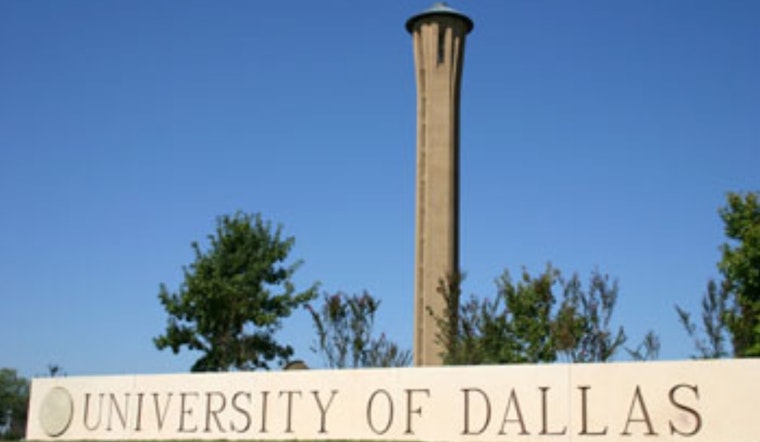
On Jan. 22, the second day of spring classes at the University of Dallas started with a jolt. Students, faculty and parents awoke to a Rave alert saying UD and other Dallas–Fort Worth colleges had received threatening emails. Patrols on and around campus were quickly stepped up and nerves ran high. By later review, university police determined the messages were part of a coordinated hoax and said federal and local investigators had taken a look at the case.
UDPD: Threats Aimed At Staff, Not A Bomb Plot
Chief Russell Greene told the student paper that UD "received emails to random staff threatening violence on our campus" and that the recipients "immediately contacted UDPD," as reported by The Cor Chronicle. Greene said the messages were mostly copy-and-paste jobs, with names swapped in, and that UDPD coordinated with neighboring college police and the Irving Police Department to increase patrols. According to Greene, intelligence units from the FBI, Dallas Police and Irving Police concluded the messages were not credible, and the FBI has assigned an agent to investigate where they came from.
Nearby Campus Evacuated After Bomb Threat
While UD stayed open, Dallas Baptist University canceled classes and evacuated its campus on Jan. 22 after a bomb threat triggered a security sweep. Officials later announced an all clear and said classes resumed on Jan. 23, according to The Dallas Morning News. DBU said it worked with the Dallas Police Department and the FBI while campus police carried out precautionary sweeps, and a planned on-campus event that morning was postponed.
Part Of A Wider Wave Of Unverified Threats
Campus and law-enforcement sources described the Jan. 22 messages as part of a broader run of unverified threats across North Texas that officials treated as serious even when they ultimately looked suspicious. Universities lean on Rave and similar notification systems so they can warn students quickly while police sort out what is real and what is not. Administrators said that fast reporting by staff and students helped limit risk, according to Baptist Press. School leaders said coordination between campus police and municipal and federal agencies remains the standard playbook when multiple campuses are targeted at once.
Investigation Still Active
UDPD told student reporters that intelligence units quickly judged the emails not to be credible, but that the FBI still has an active role in tracing the origin of the messages, as UDPD outlined to The Cor Chronicle. Investigators noted that digital forensics can move slowly and often crosses jurisdictions, so agencies keep treating these kinds of messages as potentially serious until they can firmly rule them out. For now, officials are stressing the basics: report suspicious emails, and follow whatever instructions arrive through official alerts.
Where Students Should Check For Updates
Students looking for confirmation or next steps are being urged to rely on official university channels and campus-safety alerts instead of social media chatter. Police departments on both campuses have asked anyone who receives suspicious messages or has information about the threats to contact campus police so investigators can run down leads. Administrators say their priorities remain quick notification, careful verification and a visible security presence on campus.





