

























































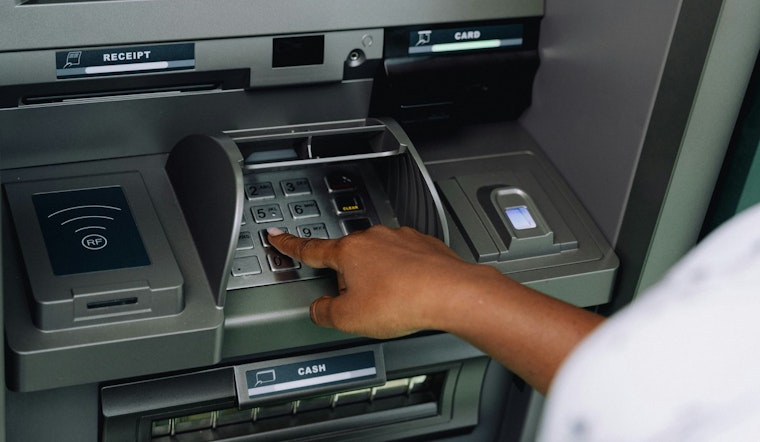
Houston scammers are leaning hard on a new trick: forcing victims to feed cash into Bitcoin ATMs that beam money straight into crooks' wallets. This week, a local elementary school teacher says she was told she had a bench warrant, driven to a Texaco on Belfort, and pressured into depositing $1,000 into a kiosk. Harris County officers later told her she had been victimized, one in a string of local cases that mirror a nationwide spike in crypto kiosk fraud.
As reported by KPRC Click2Houston, the caller in the teacher's case pretended to be a U.S. marshal, sent what looked like official court paperwork, and then walked her through a step-by-step deposit at the ATM. Security-camera footage shows the woman using the machine, and the station reports that the kiosk was operated by Coinhub, which did not comment when contacted. KPRC also quotes an FBI forensic accountant warning that "With crypto, money is in the control of another person in another country in 5 minutes, 3 minutes, 10 minutes," a blunt reminder of how fast the cash disappears.
The numbers show this is not some one-off con. According to ABC News, the FBI reported roughly $333.5 million in losses tied to crypto kiosk scams from January through November 2025. Law enforcement and advocacy groups say older adults are hit hardest, as scammers lean on fear and urgency to push them into fast, irreversible transfers. The damage has been big enough to spur regulators and state attorneys general into enforcement actions in several states.
Why scammers favor crypto ATMs
Crypto ATMs give fraudsters two big perks: speed and irreversibility. Once cash is converted and sent to a wallet, it is often gone for good. In a press release and complaint, the District of Columbia Attorney General's Office said Athena Bitcoin's own records showed that 93% of deposits at its D.C. kiosks in an early period were linked to scams, with a median victim age of 71. Those findings now sit at the center of legal arguments that operators must step up and prevent their machines from becoming easy tools for exploitation.
Signs of a scam and what to do
There are a few classic red flags: unsolicited calls demanding immediate payment, callers who insist you use a kiosk or gift card, and instructions to keep the transaction secret. If you see someone being guided to an ATM while nervously talking on the phone, investigators recommend calling local police right away so officers can try to step in before a transfer is completed, advice highlighted in reporting by KPRC Click2Houston. If money has already been sent, contact the ATM operator and your bank immediately, then file a complaint with the Internet Crime Complaint Center at IC3.gov.
Regulators are pushing back
States and federal agencies are starting to close in. The California Department of Financial Protection and Innovation announced enforcement actions this year and ordered Coinhub to pay penalties and restitution for rule violations tied to kiosk operations. In Washington, D.C., prosecutors have sued Athena, arguing that operators profited from hidden fees and weak safeguards while seniors were taken advantage of. Together, pressure from law enforcement and regulators is aimed at forcing changes in disclosures, transaction limits and refund practices at kiosks.
For Houstonians, the bottom line is simple: no legitimate court, bank or government office will ever demand payment through a Bitcoin ATM. If something feels urgent or suspicious, stop, call the police and check in with trusted family or your bank before handing over cash. A short pause can be the difference between staying safe and funding a scammer's next payday.





