

























































Family members of 21-year-old Elijah Edwards say they were stunned to learn that the man charged in his killing allegedly violated bond conditions twice, including cutting the strap on his electronic monitor, yet the court took no immediate action. The suspect, 20-year-old Xavier Garcia, is accused in Edwards’ April shooting death in northwest Harris County. The family calls the response a “slap on the wrist,” and their anger is feeding into a broader local debate over how seriously courts treat pretrial monitoring.
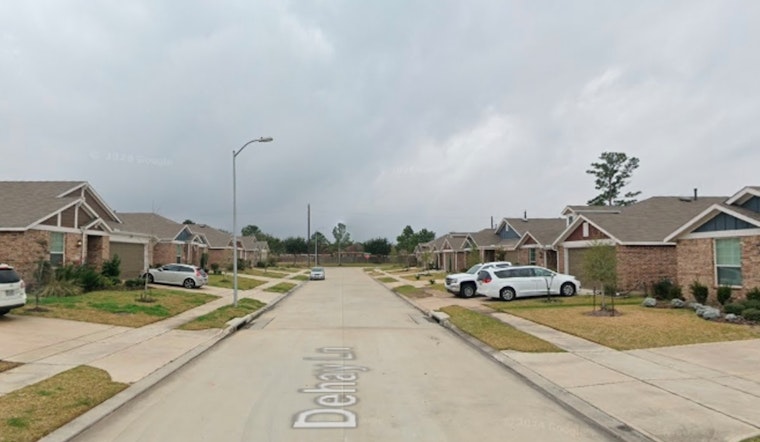
According to the Harris County Sheriff’s Office, deputies found Edwards dead in the 16000 block of DeHay Lane on April 28. Local reporting later confirmed that Garcia was charged and booked in the case. ABC13 Houston included the killing in its roundup of that night’s shootings and noted that deputies later arrested a suspect.
Bond, court action and alleged violations
Court documents reviewed by FOX 26 Houston show the Harris County district attorney’s office asked a judge to set Garcia’s bond at $500,000, but 487th Criminal District Court Judge Stacy Allen Barrow set it at $100,000 instead. Months after Garcia’s release, the same records say he violated his release conditions twice, including one incident in which he allegedly cut the strap on his electronic monitoring device. Even after those reported violations, the court did not immediately raise his bond or impose other penalties. The filings and reporting indicate prosecutors had urged a higher bond before he was released.
Family reaction and community concern
“I think trust the process is crap,” Elijah’s mother, Alicia Smith, told reporters, saying her family believes Garcia was treated far too leniently for someone facing a murder charge. Crime Stoppers’ Andy Kahan told FOX 26 Houston that removing or tampering with an ankle monitor is normally grounds for criminal charges, adding that he was surprised no new charges followed in this case. Neighbors and advocates say the situation highlights a constant tension between judges’ discretion on pretrial release and public-safety worries when defendants on supervision ignore the rules.
Monitoring problems go beyond this case
The controversy taps into longer-running problems with electronic monitoring in Harris County. In a 2019 case, a vendor repossessed a GPS anklet after a defendant fell behind on fees, an action that drew a letter of concern from the district attorney and ended with the county terminating the company’s contract. Reporting from the Texas Tribune has detailed how vendor practices and notification delays have at times left defendants unmonitored for days.
What can happen next?
Legal guides note that judges can revoke a defendant’s pretrial release or tighten conditions after violations, and that tampering with monitoring equipment can lead to additional criminal charges. Practical guidance on motions to revisit bond explains how prosecutors can ask a court to reconsider release once a defendant shows a pattern of noncompliance, and a plain-English primer on bond motions walks through how that typically works. LegalClarity and similar resources outline the process. In this case, however, court filings and local reporting indicate that no immediate revocation, bond increase, or new penalty had been announced after the reported violations.
Edwards’ family says they intend to keep pressing for accountability while Crime Stoppers and local authorities continue to gather tips. ABC13 Houston and law-enforcement sources list contact information for Crime Stoppers for anyone who might have information related to the case.





