

























































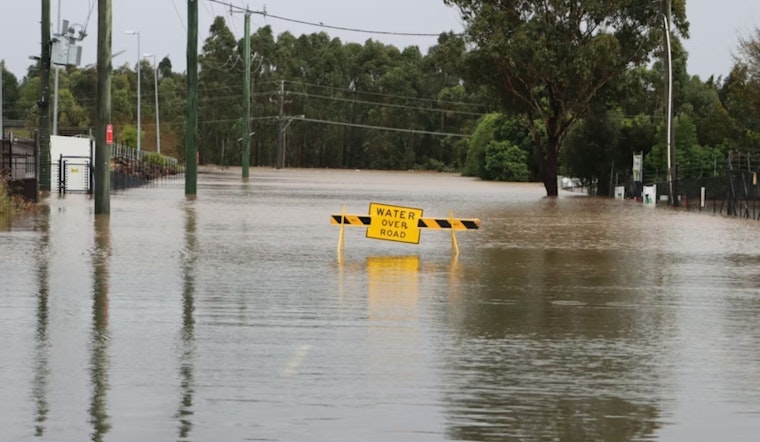
In a low-lying corner of Hunters Point, neighbors say their streets and parkland are spending way too much time underwater. After recent storms, rainwater has pooled around the site of a major development and, according to residents, refuses to drain, turning parts of the area into what they are bluntly calling a swamp. Photos and video shared with reporters show wide stretches of standing water that keep people from using the nearby park, stirring up old worries in a neighborhood already linked to long-running cleanup battles and coastal-flood risks.
Investigative Reporter Jaxon Van Derbeken from NBC Bay Area visited the soggy blocks and found rainwater pooling around the development site. Neighbors told the station that the wet spots have grown into a lake-like mess that makes the park next door essentially off limits. The station’s video shows residents picking their way around large puddles and stretches of standing water that seem in no hurry to disappear.
Low-Lying Land, Aging Drains And Climate Risk
San Francisco planning documents show that this stretch of Bayview-Hunters Point sits low to the bay, which already makes it vulnerable to stormwater backups. Rising groundwater can also render drains far less effective, so water that should move out can end up sitting on the surface. According to SF Planning, the Yosemite Slough Neighborhood Adaptation Strategy identifies the neighborhood as at risk from both stormwater and coastal flooding, and the strategy is scheduled to be completed in February 2026. Planners say the finished plan is expected to guide investments that protect streets, parks and future housing from higher tides and heavier storms.
Contamination Ties Raise The Stakes
The flooding fears do not exist in a vacuum. The nearby Hunters Point Naval Shipyard and Yosemite Slough have long histories of industrial contamination, which makes any standing water feel more ominous. As Mission Local reported, parts of the shipyard are projected to be at risk of flooding as sea levels rise, a scenario that could mobilize legacy pollutants. The U.S. Environmental Protection Agency has directed cleanup planning at Yosemite Slough because of PCBs, lead and other contaminants that can harm wildlife and people who come into contact with the mud or water, and the agency has advised against wading in the slough.
Neighbors Press For Fixes While Agencies Plan
Residents who spoke with reporters say they want the city and developers to handle the basics: clear clogged storm drains, raise low walkways, and fix grading that lets water collect instead of flow away. The city’s Yosemite Slough work is intended to map out remedies and funding options for Bayview-Hunters Point, according to SF Planning. Local advocacy groups have been organizing for a faster cleanup and stronger infrastructure to protect parks and nearby homes, Local News Matters reported.
Legal Implications
The shipyard cleanup is governed by federal Superfund rules with oversight from the EPA, a framework that affects who is responsible if contaminated soils are disturbed or spread by flooding. The delayed disclosure last year of elevated levels of plutonium found in air samples at parts of the shipyard has left residents mistrustful, according to the San Francisco Chronicle. That erosion of trust means recurring flooding is more than an inconvenience, since remobilized toxins could become a public health concern if not managed carefully.
For now, neighbors say they will keep documenting the standing water and press city agencies and developers for immediate repairs while the slower planning and cleanup efforts grind on. Community meetings and planning updates in the coming weeks will show whether short-term fixes get funded alongside the multi-year remediation projects already on the books. If development moves ahead without solving drainage and contamination risks, residents warn that the so-called swamp could become a regular feature of life in Hunters Point.





