

























































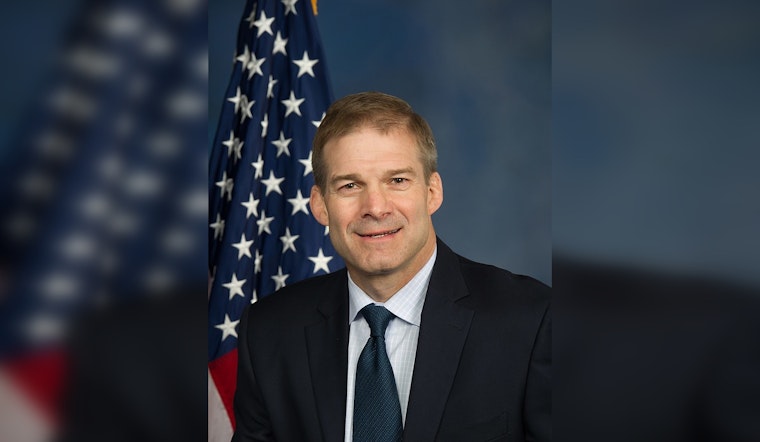
House Judiciary Chairman Jim Jordan is fast-tracking a crackdown on so-called sanctuary policies, pushing legislation that would move to a committee markup this month as clashes over federal immigration enforcement ripple through cities nationwide. The timing is not accidental: protests have erupted after federal enforcement actions in Minneapolis and other cities, sharpening a showdown between Congress and local officials over how far they must go in cooperating with Immigration and Customs Enforcement.
For Ohio, this is not an abstract fight. Independent trackers flag several counties in the state as limiting cooperation with federal immigration authorities, which means Jordan's push in Washington could land squarely in county offices back home.
In an interview with Cleveland.com, Jordan said the House Judiciary Committee plans to mark up a bill to end sanctuary jurisdictions later this month, with members still hammering out how the rules would be enforced on the ground. He estimated that "18 major cities, 11 states and the District of Columbia" have some form of sanctuary policy and said the committee is probing whether some demonstrators objecting to federal immigration enforcement might be "paid agitators."
Jordan described ICE detainers as short, 48-hour notices sent to local jails asking them to hold people before release. He argued that many jurisdictions ignore those detainers, a practice he links to public-safety risks.
Meanwhile, the federal government is maintaining its own list of places it says get in the way of immigration enforcement. The Justice Department published a roster in August 2025 naming several states and major cities. Notably for Ohio readers, that release does not include any Ohio cities or counties that other trackers say have sanctuary-type limits.
Those trackers do not all agree. The Center for Immigration Studies maintains a map that lists Franklin, Hamilton, Lorain and Mahoning counties in Ohio as jurisdictions with policies that restrict cooperation with federal immigration agents, including declining to honor ICE detainers.
Jordan is framing his push as a public-safety campaign, tying releases from local custody to dangerous outcomes and pointing to recent violence in Minneapolis as part of his justification. The fatal encounters there, and the federal operation that followed, have fueled national protests and scrutiny, as well as reporting on departures and investigations within local and federal offices, according to The Washington Post.
Legal And Legislative Path
Any House move to ban sanctuary policies is likely to trigger immediate legal challenges and a fierce political brawl. The Justice Department has already signaled it is willing to lean on the courts. Beyond publishing its sanctuary roster, the department has filed lawsuits against certain local rules as part of its enforcement strategy. The Justice Department sued Boston last year over sanctuary ordinances, an example of the courtroom fights that could run alongside whatever Congress passes.
What This Means For Ohio
Ohio could find itself pulled into the center of the storm. CIS's map puts multiple counties in the spotlight, and any House effort to punish or compel local cooperation with federal immigration agents would put pressure on county officials and elected leaders across the state.
On the streets, protesters who have appeared in coverage of confrontations with federal agents have told reporters they were not paid to show up, Cleveland.com reports, even as lawmakers continue asking for proof of outside funding or orchestration.
By accelerating a committee markup, Jordan has turned the coming weeks into a crucial stretch. Expect a parade of amendments, witness testimony and sharply drawn party lines over how far the federal government can go in dictating cooperation, what oversight will look like and how civil-rights protections fit into the picture. Whether this bill becomes a fast-moving lever of federal pressure on cities and counties, or instead morphs into a long-running legal test case, will hinge on the final language Republicans advance and how much pushback local officials and the courts are willing to mount.





