

























































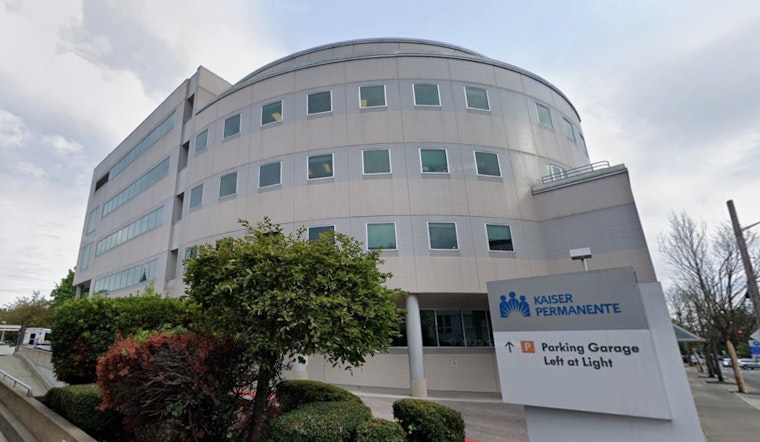
Kaiser Permanente has quietly funneled more than $3 million into food-security and nutrition efforts across Washington, backing school partnerships, anchor food banks and a growing slate of “food is medicine” pilots. Organizers say the grants, along with linked fundraising drives, have touched roughly a quarter-million people statewide and are helping expand produce prescriptions, medically tailored meals and school-based food access.
According to the Puget Sound Business Journal, the awards include $1.78 million in school-community partnership grants between 2022 and 2025, plus sponsorships for major hunger organizations such as Food Lifeline, Northwest Harvest and Second Harvest. The paper reports that the combined funding and related fundraising have reached more than 250,000 Washington residents, and that the school-focused grants have improved food access for over 50,000 youth and families.
Food as medicine becomes a priority
In 2024, Kaiser launched its Food Is Medicine Center for Excellence to pull together medically tailored meals, produce prescriptions and nutrition-support services inside clinical settings. The goal is to build evidence and scale up interventions that connect better nutrition with improved outcomes for chronic disease, according to Healthcare Brew and industry trackers that follow produce-prescription pilots.
Local partners and school programs
On the ground, districts and community groups are using the grants to test out school-based food recovery efforts, free care closets and expanded meal and grocery supports that meet families where they already spend their time. Organizers say the lessons from those pilots will be distilled into practical resources and toolkits so districts and nonprofits can copy what works instead of starting from scratch.
Scale of the problem
The need is hard to miss: national estimates indicate that more than 1 million Washington residents face food insecurity, and child hunger in the state sits at nearly one in six. Hunger organizations point to those trends when they argue that health-care systems should be in the fight. Those figures come from Feeding America, while regional reporting from Second Harvest Inland Northwest underscores how child hunger is especially acute in parts of eastern Washington.
Why health systems are investing
Health leaders say that screening patients for food insecurity and steering them toward nutritious food is a form of prevention, not an optional extra. Limited access to healthy food is linked to higher rates of diabetes, hypertension and heart disease, and early evidence suggests that nutrition supports can improve outcomes and lower costs. That broader strategy, shaped by periodic community health needs assessments and regional partnerships, is laid out on Kaiser Permanente and in national conversations about the promise of Food-Is-Medicine models.
In practical terms, the effect in Washington is straightforward: health-care dollars are helping to shore up food pantries, stock school cafeterias and pilot clinic-prescribed produce programs that could reduce illness and help stabilize families. Community groups say the next six to 12 months will be a key test of whether those pilots, and the toolkits built from them, can turn short-term relief into longer-term nutrition security.




