

























































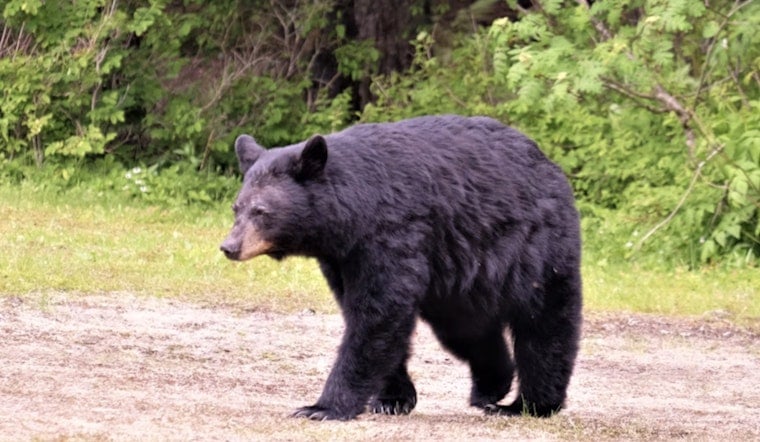
A woman walking her leashed dog near Lake Whatcom found herself being repeatedly charged and followed by a black bear on Saturday morning, in an encounter that has put Whatcom County wildlife officials on alert. The bear approached around 10:50 a.m. before the hiker was able to get away unharmed, according to wildlife officials.
The Washington Department of Fish and Wildlife issued an alert after the incident, and officers responded with tracking dogs in an attempt to locate the animal, but they were unable to find the bear, as reported by KIRO 7 News Seattle. WDFW officers say they will continue monitoring the area with increased patrols. The agency did not disclose the name of the specific trail involved in the encounter.
Local Trail Groups Fill In the Gaps
While state officials kept the exact location under wraps, local trail users didn't wait around for more detail. The Whatcom Mountain Bike Coalition posted an alert identifying heavy recent bear activity in the Olsen Creek trail network off Y Road north of Lake Whatcom, according to Cascadia Daily News. The Olsen Creek State Forest covers 3,575 acres near the lake and includes more than seven miles of multi-use recreation trails developed jointly with local trail and equestrian groups, per the Washington Department of Natural Resources.
This isn't the first time the area north of Lake Whatcom has seen a dangerous bear encounter. Cascadia Daily News notes that in August 2022, a black bear attacked a jogger in the same general vicinity, causing hand and foot injuries before WDFW officers located and euthanized the animal. It remains unclear whether the bear involved in Saturday's repeated charges will face similar action if it is eventually captured.
Why the Leash Likely Mattered
Wildlife officials point to one detail from Saturday's encounter as especially important: the dog stayed leashed throughout. WDFW safety guidance strongly advises keeping dogs leashed in bear country, since unleashed dogs frequently agitate or chase bears, turning a passive encounter into a predatory or territorial one, the same outlet reports. WDFW also recommends making noise while hiking and staying aware of surroundings to avoid startling a bear unexpectedly.
If a bear does approach, the agency recommends standing up, waving hands above the head, and speaking in a low voice, along with backing away slowly while avoiding direct eye contact rather than running. WDFW also urges hikers to carry readily accessible bear spray and know how to use it. The agency has said bears generally avoid people but remain naturally curious animals, which can bring them close to trails even without aggressive intent.
Attacks Remain Rare, But Attractants Drive Conflicts
Physical attacks by black bears are exceptionally rare in Washington's history, with roughly 20 reported injury incidents statewide and only one documented fatality, which occurred in 1974, according to the Seattle Times. The state is home to an estimated 20,000 to 25,000 black bears across its forested habitats, per A-Z Animals.
Most conflicts trace back to human behavior rather than bear aggression. WDFW receives an average of 500 black bear complaints each year, and state biologists estimate roughly 95% of those calls stem from attractants like uncollected garbage, bird feeders, and outdoor pet food, according to FOX 13 Seattle. Washington law makes both intentional and unintentional feeding of black bears or other large wild carnivores illegal, with civil fines ranging from $87 to $1,025.
The state ended its traditional spring black bear hunting season in 2022, a decision that has fueled ongoing policy debates and petitions from outdoor groups over bear management strategies, according to Northwest Sportsman Magazine. Hikers and mountain bikers in the Lake Whatcom area now face open questions about whether WDFW will set additional traps if bear activity in Olsen Creek continues, and how local recreation groups will coordinate further trail safety warnings across Whatcom County.




