

























































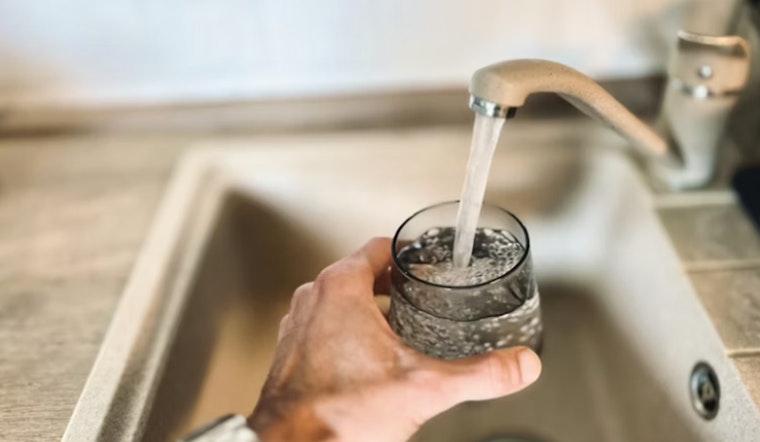
In a brand-new Katy subdivision, some homeowners say their shiny new faucets are serving up something that belongs in a driveway, not a drinking glass. Neighbors report turning on the tap and finding pebbles, gritty flakes and tiny stones piling up in sinks, clogging filters and turning ice trays into miniature rock beds.
Photos and video shared around the neighborhood show the debris, and residents told local TV crews they are now wondering whether the water is safe to drink and what this might be doing to their appliances.
What residents reported
According to FOX 26 Houston, reporter Randy Wallace visited the subdivision and spoke with homeowners who said pieces of rock and sediment were coming straight out of the tap. In the station’s video, residents rinse off gritty material, point to clogged filters and complain that ice machines are jamming up. The report went online Thursday night.
Why this can happen
Water-system experts say visible grit in tap water most often traces back to problems or changes in the distribution system. Pressure shifts, hydrant flushing, nearby construction work or a recent water-main break can all knock loose mineral deposits or settled particles that usually sit quietly in the pipes.
The U.S. Environmental Protection Agency notes that turbidity, or cloudiness from suspended solids, is a standard water-quality measure that utilities monitor because it can interfere with disinfection.
How to check your tap
Utilities typically recommend a bit of DIY detective work before you panic. Start by comparing hot and cold taps to see whether both are affected, then run cold water for several minutes. Avoid using hot water until the issue clears so you are not pulling sediment into your water heater.
The Portland Water Bureau suggests testing more than one faucet and running cold water for one to two minutes, while the Tualatin Valley Water District recommends flushing from outside spigots and working from the farthest tap back toward the meter.
Who to call
If the water still looks discolored or gritty after flushing, utilities say it is time to loop in the professionals. In the Houston area, residents can report water problems through the city’s 3-1-1 system (dial 311 or 713-837-0311), which routes water-line and service issues to the right department. The city also takes reports through its online 311 portal.
What utilities may do next
When a complaint comes in, utility crews typically check whether there has been recent work on nearby mains or hydrants, flush lines in the area to push out sediment and collect water samples for lab testing.
Local water-system alert pages, such as those from Lake Bonanza WSC, describe these steps and note that if a distribution system loses pressure, agencies may issue a precautionary boil-water notice that stays in place until test results confirm the water is safe again.




