

























































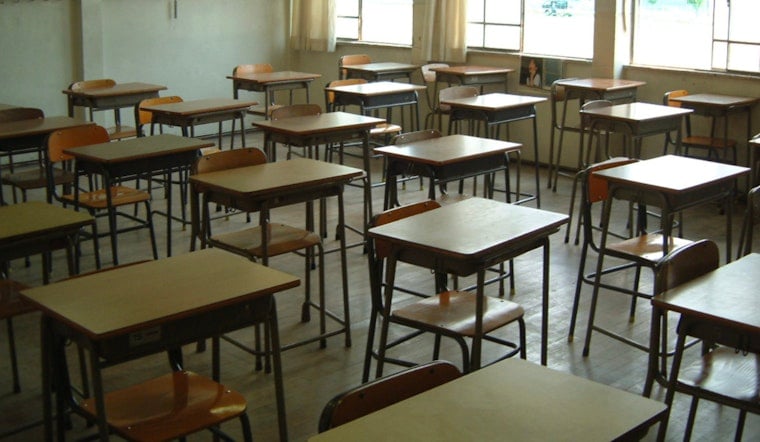
In Milwaukee Public Schools, the lesson plan often has to compete with the thermostat. Teachers and students report classroom temperatures soaring into the 80s and even 90s, not just on steamy June afternoons but during winter heating cycles too. Thermometer logs and teacher emails reviewed by local reporters show wild swings, with some rooms baking into the 90s on hot days and staying uncomfortably warm when the snow is falling. Parents and staff largely agree on the culprit: aging boilers, failing controls and a long list of delayed repairs, not just a few unlucky heat waves.
What the records show
According to the Milwaukee Journal Sentinel, a newsroom thermometer hit 92°F in one classroom, and teachers reported days where readings jumped from about 100°F down into the low 90s. The paper reviewed district records showing more than 2,200 HVAC work-order requests over a 120-day stretch last fall, with about 50 specifically referencing pneumatic-control or air-pressure failures. Those same documents estimate roughly $150 million in deferred maintenance tied to heating, ventilation and cooling, and list dozens of schools still in line for HVAC-related projects.
Patchwork fixes, not upgrades
Instead of sweeping overhauls, Milwaukee Public Schools has been leaning on temporary fixes, using industrial fans, targeted HVAC tune-ups and window restorations while larger replacements wait for money, according to reporting by WISN. The district says about 56% of its schools have full or partial air conditioning, which still leaves a big share of buildings without classroom-level cooling. Parents and school board members have pushed for bonds and long-range capital plans to close that gap, but the price tag and other urgent needs keep stretching the timeline.
Heat and learning
Researchers say those extra degrees are not just an annoyance. A 2019 literature review in Building and Environment found that student performance on school tasks could improve by roughly 20% when classroom temperatures drop from around 86°F to 68°F. Federal guidance puts a comfortable indoor range at about 68–76°F, which shows just how far many Milwaukee classrooms are from recommended conditions. Teachers say that gap looks like shorter attention spans, more breaks and lessons that grind to a halt when the room starts to feel like a sauna.
The price tag and funding options
The Journal Sentinel reports that MPS is waiting on equipment replacements that would total more than $360 million, and consultants have floated plans that could save the district millions over time. Federal incentives can soften the blow. The U.S. Department of Energy outlines tax credits, rebates and direct-pay options that can significantly reduce the cost of geothermal and heat-pump systems for commercial and tax-exempt projects. District leaders note that tapping the largest federal bonuses often means meeting prevailing-wage and domestic-content requirements, which can add layers of complexity to already tricky construction schedules.
What’s next
District officials say a real fix will not come from a few extra box fans. It will take multi-year capital planning, a mix of grants and bond dollars, and carefully sequenced projects to swap out boilers and upgrade controls without shutting schools down. In the meantime, families can expect more patch repairs and stopgap cooling while MPS chases long-term funding and navigates procurement rules. Advocates argue the choice is blunt: short-term fixes keep kids in their seats today, but stable, healthy learning conditions will only come with sustained investment and the political will to pay for it.



