

























































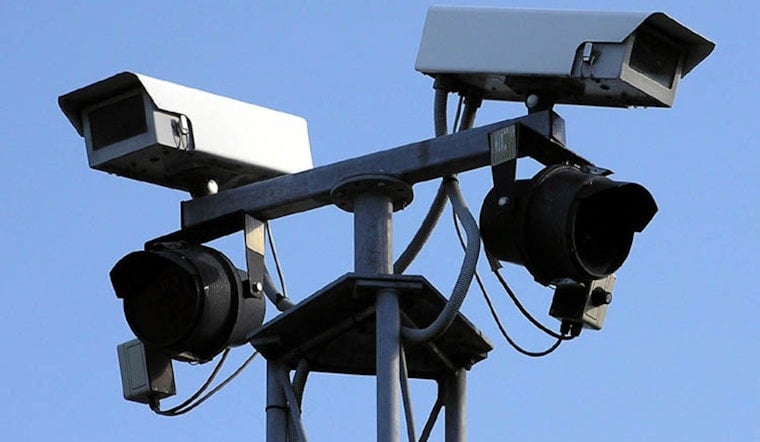
Knoxville police lost a key crime-fighting tool when the city’s network of license-plate reader cameras went dark after the contract with vendor Flock expired on Dec. 31, 2025. With the flip of a switch, detectives were suddenly without the automated vehicle data they had come to rely on to put cars at crime scenes and chase down early leads. The Knoxville Police Department says it tried to secure a short-term extension, but access was lost when Flock disabled the system, leaving officers in the lurch as KPD moves to a new vendor. That changeover could keep investigators without the technology for weeks or even months.
Contract lapse left cameras offline
According to WBIR, department records show that KPD’s agreement with Flock expired on Dec. 31, 2025, and the cameras were switched off immediately after the contract lapsed. The department told the station it had pushed for a short-term extension to avoid a gap in coverage, but still lost access when Flock shut down the system without notifying Knoxville police first.
City moves to Axon for equipment
The City Council has already signed off on the next chapter. A $9.4 million amendment to KPD’s agreement with Axon will fund a broader tech refresh for the department, according to the City of Knoxville. The package includes drones, replacement license-plate readers, and more body and in-car cameras tied into the department’s Real Time Information Center. The catch: none of that arrives overnight.
Local attorneys warn of an investigative gap
Defense attorneys and investigators say the sudden blackout in plate-reader data is not just an IT headache; it is a practical one. Knoxville attorney T. Scott Jones told WBIR that losing the automated feed is “like you abandoned the computer and had to pull the typewriter back out.” He added that Flock cameras “basically record license plates and other data” that can quickly generate investigative leads. KPD also told the station it expects the first school-zone speed cameras to be set up within four to eight weeks, while the new Axon readers might not be fully online until around mid-2026, leaving a sizable window where old habits have to fill in for high-tech tools.
How the cameras were used locally
City officials have repeatedly pointed to the Flock system’s track record in Knoxville. The cameras have been credited with helping KPD make more than 100 arrests and recover dozens of stolen vehicles in earlier deployments, according to a municipal news release from the City of Knoxville. That history of concrete results is a big reason lawyers and detectives say the sudden gap in automated plate data is not a minor inconvenience but a serious operational concern.
Broader privacy fight and other shutdowns
Knoxville is hardly alone in wrestling with what these cameras can do and who gets to see the data. Around the country, some agencies have paused or cut ties with Flock after audits and news reports described broad searches of automated license-plate reader data and raised questions about whether federal authorities were tapping into local records. Those concerns have triggered shutdowns and contract reviews in multiple jurisdictions, as detailed by reporting from GeekWire.
Legal questions remain
Civil-liberties advocates say the technology’s legal footprint is just as important as its crime-fighting potential. Groups and local organizers point to open-records obligations and privacy issues around cloud-hosted plate data, warning that choices about how long records are kept and how widely they are shared can create thorny policy and legal problems for cities, according to the ACLU of Tennessee. As Knoxville swaps vendors and waits for new hardware, those debates over who can query ALPR data, and for how long, are likely to shape what the next generation of cameras looks like when they finally blink back on.





