

























































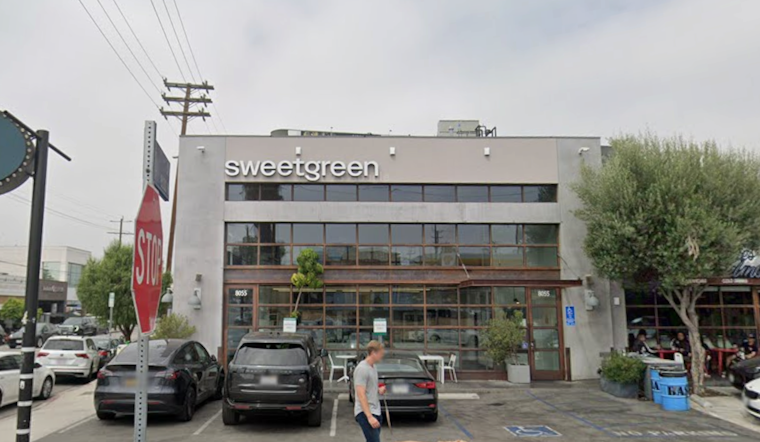
Sweetgreen’s Los Angeles-born salad empire has watched roughly $5 billion in market value evaporate after a year of menu misfires and fragile supply chains turned investor optimism into a sharp selloff. Customers and workers say experiments meant to broaden the brand instead clogged kitchens and squeezed margins. A fast-casual chain that once promised to scale without compromise now looks like a case study in how operational slipups can undercut a premium pitch.
As reported by The Boston Globe, the slump was fueled by the ill-fated Ripple Fries rollout and recurring ingredient shortages. Analysts compiled by Bloomberg expected same-store sales to fall about 8% in 2025, and the stock ultimately surrendered nearly 80% of its market value. Local diners told The Globe they had noticed a drop in quality as the chain scaled.
Fries That Backfired
Bloomberg reporting detailed how Ripple Fries, crinkle-cut potatoes air-fried in avocado oil, became a kitchen nightmare. To stay crisp they needed fresh batches every 30 minutes, which created bottlenecks and workarounds behind the line until management finally pulled the item. The same reporting tied elevated packaging costs and a late-2022 romaine shortage to higher input expenses and an early-2023 quarterly hit of roughly $34 million. Former managers and analysts told Bloomberg that menu experiments and a rapid push to scale automation got ahead of the company’s operational readiness.
Costs, Sales And The Turnaround Push
As reported by Nation’s Restaurant News, Sweetgreen logged its first same-store sales decline since the IPO as traffic softened and margins compressed. Business Insider reports the chain has tried to win back customers with bigger protein portions, $13 loyalty salads and ongoing menu testing while trimming support-center roles. Those moves have eased some pressure, but analysts say consistency at scale remains the core challenge.
Leadership Moves And What Comes Next
To steady the business, Sweetgreen sold its robotics unit, pared back openings to as few as 15 new restaurants this year and added experienced operators, according to The Boston Globe. The Globe also reported that one co-founder left in January for personal reasons and that the company has brought in a new CFO and COO with Chipotle backgrounds. Management says it is rolling out stricter menu testing, checklists and scorecards to improve execution while keeping the brand’s sourcing standards where possible.
Local Take
For Los Angeles diners, the shakeup is visible at the counter. Customers told local reporters the chain “used to hit” and that some items feel smaller or less fresh, according to reporting by the Los Angeles Daily News. Investors will watch upcoming results to see whether the operational fixes translate into steadier service and restored taste, and whether Sweetgreen can reclaim its premium positioning without losing what drew customers in the first place.





