

























































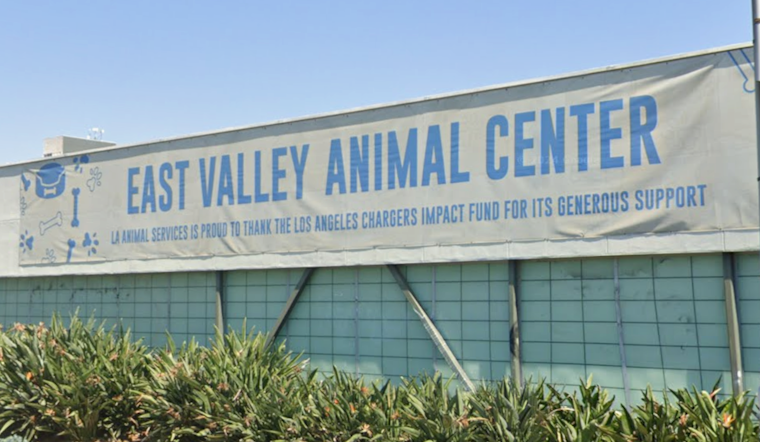
A Los Angeles jury has awarded 51-year-old Genice Horta $5.4 million after she was mauled by a Belgian Malinois named Maximus at the East Valley Animal Shelter. The attack left her with severe injuries to her right arm that required multiple surgeries and caused permanent damage, and the outcome has renewed scrutiny of how shelters and rescue partners disclose a dog’s bite history.
Jury finds city mostly liable
After a 10-day trial in L.A. County Superior Court, jurors awarded Horta $5.4 million and found the city largely responsible. They apportioned fault at 62.5% to the city, 25% to the rescue group, and 12.5% to Horta. Her attorneys told jurors Maximus had previously bitten a teenager and a shelter employee and argued the dog should never have been circulated to outside rescues. Those details and the judgment were described in a report by the Los Angeles Times.
Shelters under pressure
Advocates and city audits have for years flagged chronic staffing shortages, long kennel stays and inconsistent record-keeping that can muddy or hide a dog’s bite history. A City Controller audit and local coverage have documented higher euthanasia rates and operational gaps that volunteers say make accurate behavioral screening tougher. Critics argue those conditions increase the risk for people who handle dogs at city shelters. Oversight concerns were laid out in reporting by Spectrum News.
How the attack unfolded
According to court filings and testimony, HIT Living Foundation hired Horta to transport Maximus to Arizona. On September 23, 2020, she offered him a treat that contained trazodone, an anti-anxiety medication. Maximus lunged and clamped down on her right arm. Horta’s lawyers say she underwent multiple surgeries to repair bones and nerves and was left with lasting damage. “The case revealed a series of serious and preventable mistakes,” Horta’s attorney Ivan Puchalt said in a statement. The L.A. City Attorney’s Office did not immediately respond to requests for comment, as reported by the Los Angeles Times.
What comes next
The verdict puts additional pressure on the city and its rescue partners to tighten disclosure and transfer protocols for dogs with known bite histories. Civil defendants can still pursue post-trial motions or appeals. The ruling is expected to play into ongoing policy discussions about how shelters document, flag and move animals that have been identified as risky.





