

























































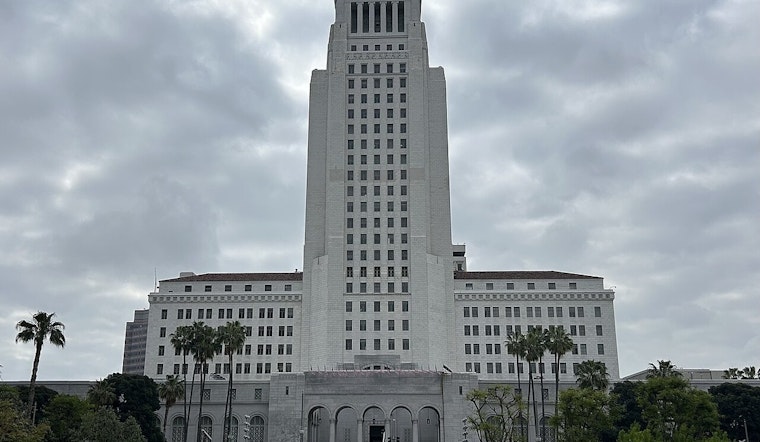
Los Angeles is wobbling on financial thin ice, the city controller is warning, after a new annual report laid out a triple hit of rising lawsuit payouts, departmental overspending and softer-than-hoped revenues. To plug the gaps, City Hall dipped into its rainy day fund, leaving the budget more exposed to future cuts, furloughs, or tax hikes if trends do not turn around.
Key findings
The controller's Annual Comprehensive Financial Report for the year ended June 30, 2025, shows liability claims blew past the city's budget by $199 million, reaching a record $287 million. Police claims accounted for about $152 million, street services $44 million, and transportation $20 million, according to LAist. Those liability payments were the main reason that a year that was expected to be balanced instead finished in the red.
Reserve cushion
The City Administrative Officer's December financial status report says the reserve fund now sits at about 5.06% of the general fund, only a hair above the minimum level set by the City Council, and warns that continued overspending could push Los Angeles below its emergency target, which could drive up borrowing costs and jeopardize services. The CAO also cautioned that using the reserve to cover ongoing hiring or other recurring expenses would be risky, especially with lawsuit costs climbing. The City Administrative Officer lays out those risks in detail.
A slimmer cushion
The controller's report finds that the city pulled roughly $160 million from reserves to backfill a revenue shortfall in fiscal year 2024-25. The reserve balance has dropped from $648 million two fiscal years ago to about $402 million for 2024-25. Salaries and employee benefits climbed by $162.6 million, or 4.7%, driven by labor agreements, hiring and overtime, which further strained the general fund. Those figures appear in the controller's annual report and supporting documents from the Controller's office.
Credit outlook
Credit rating agencies have started flashing yellow. Local reporting notes that S&P, Fitch, Moody's and Kroll have all given Los Angeles a "negative outlook," a formal warning that a downgrade is possible in the next 12 to 18 months. Moody's has kept the city at a high-grade Aa2 rating even as agencies point to near-term risks, according to LAist.
Officials react
Mayor Karen Bass said she appreciates the controller's scrutiny and pointed to rising property and business tax collections as helping to offset some of the damage, while City Councilmember Eunisses Hernandez warned the city cannot keep leaning on short-term fixes, according to coverage that captured their responses. Both leaders acknowledged that Los Angeles will have to juggle service priorities and tighter discipline as major events and ongoing demands approach. MyNewsLA summarized their comments.
Controller's fixes
Controller Kenneth Mejia is pushing for structural changes rather than more budget duct tape. His recommendations include moving to a two-year budget, using more conservative and realistic revenue projections, growing the tax base through options such as a vacancy tax or new levies on rideshare and autonomous vehicles, and tightening accountability for departments that routinely overspend. Those ideas are presented as ways to rebuild reserves and avoid constant eleventh-hour balancing acts in the Controller's office materials.
Projects and payroll
The report also flags what is not getting done. The city spent only $25 million of a $131 million capital improvement budget, roughly 19%, even as it scrambled to close operating gaps. Short-term balancing over the past two years has brought unpaid furlough days and the elimination of thousands of unfilled positions. Those choices, local coverage reports, have worsened maintenance backlogs and chipped away at departmental capacity. MyNewsLA details the operational fallout.
The controller's bottom line is blunt: unless Los Angeles adopts decisive, multi-year fixes to rein in liability costs and stabilize revenues, residents should brace for tougher budget calls ahead, from thinner services to delayed capital projects and continued pressure on the city's credit profile. The full numbers, charts and datasets are publicly available through the Controller's office for anyone who wants to dig into the fine print.




.jpg)