

























































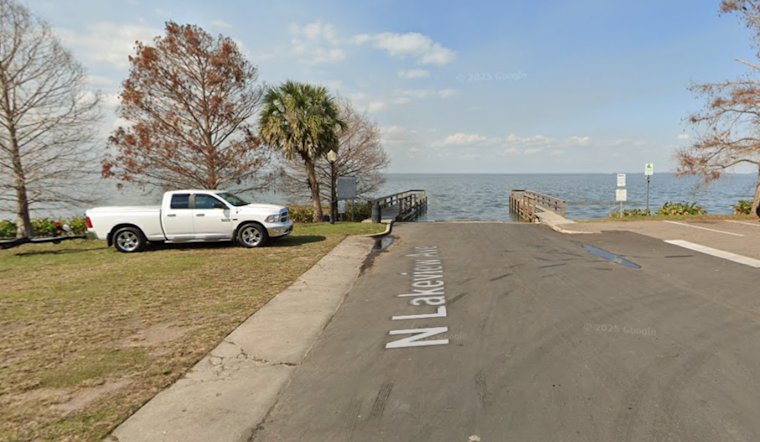
Hundreds of dead fish have carpeted the shoreline at Lake Apopka’s Newton Park in Winter Garden this week, turning a popular lakeside hangout into a grim scene and filling the air with a sharp, rotting odor. Birds and other scavengers quickly moved in on the carcasses while nearby families said they were steering kids and pets well clear of the water. Park staff and local officials say they have already alerted state authorities, and a biologist is expected to visit to assess what happened.
FWC Says Arctic Blast Likely Trigger
The Florida Fish and Wildlife Conservation Commission told Channel 9 that February’s historic Arctic blast is the prime suspect behind the die-off and that the agency has logged more than 450 fish-kill reports across Florida since Feb. 1, according to WFTV. FWC staff say nonnative warm-water species such as tilapia tend to be hit hardest because cold stress weakens fish and leaves them open to secondary infections, something the agency had already warned about in a January cold-weather advisory. Officials say they will share lab results and confirm the cause once testing is complete.
At The Shore: 'The Smell Is Awful'
Out at Newton Park, visitors told local crews the stench was impossible to miss and that piles of fish were jammed against shoreline vegetation, per ClickOrlando. One Winter Garden resident said it smelled really bad after her mother pointed out the dead fish, and others reported they were keeping children and dogs away from the lake. Park workers said they would contact a state biologist to inspect the shoreline and collect samples from the scene.
How Cold Snaps Kill Fish
Scientists and local conservation groups explain that quick, steep drops in water temperature can overwhelm warm-water species and trigger large die-offs even when later testing for oxygen levels or toxins turns up nothing obvious. The St. Johns Riverkeeper notes that invasive tilapia are especially vulnerable to cold stress and that similar events have been documented around Central Florida, while scientific studies describe how cold shock can suppress immunity and lead to widespread mortality in tropical fish. That mix of stress and weakened defenses helps explain why carcasses tend to pile up in shallow, vegetated shorelines after a hard freeze.
Testing, Reporting And Cleanup
News 6 reported that a biologist would be notified to gather samples at Newton Park and that lab work can take several days before officials can rule out other causes beyond temperature stress. The public is being urged to report fish kills to the FWC Fish Kill Hotline at 800-636-0511 or through the Florida Fish and Wildlife Conservation Commission online reporting tools. FWC notes that local governments, not the hotline, generally handle the physical removal of dead fish. Health officials also warn that in some events, algal toxins can pose risks and advise people to stay out of suspicious-looking water, according to the Orange County health department.
Lake Apopka's Long Recovery
Lake Apopka has been the focus of long-running restoration and nutrient-reduction work by multiple agencies, and managers say those projects are still key to softening future ecological shocks, according to the St. Johns River Water Management District’s Lake Apopka project. Even so, residents point to a large die-off covered last winter as a reminder that invasive species, weather extremes, and lingering nutrient issues continue to complicate recovery. Scientists and advocates say increasingly intense weather swings are likely to keep testing both resource managers and nearby neighborhoods.
FWC has warned that other waterways could see similar losses in the wake of the Arctic blast and has listed counties that have already reported fish kills, and officials are urging anyone who spots a die-off to note the location and report it to the hotline so biologists can prioritize testing, per WFTV. State and local agencies say they plan to release lab findings and any related health advisories as soon as the analyses are finished.





