

























































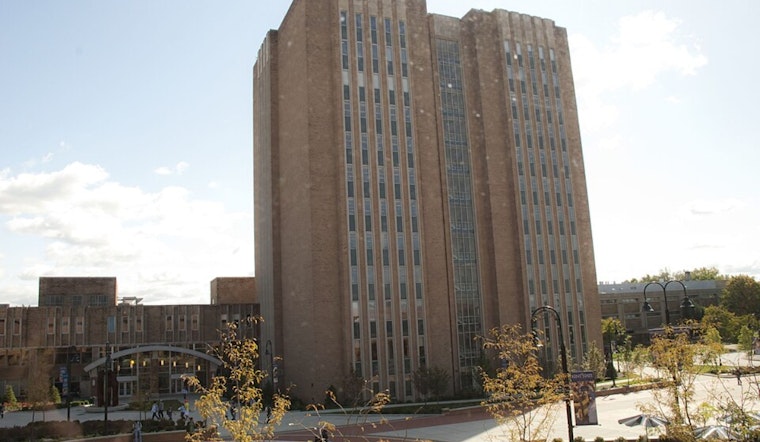
A Kent State University student living in Lake Hall has been diagnosed with Neisseria meningitidis, prompting an urgent health alert to the campus on Tuesday. The student is receiving medical treatment, and officials say early signs suggest the broader campus risk is low.
Campus response
According to Kent State University, the Kent City Health Department has already identified and directly notified everyone considered a close contact of the student and provided preventative antibiotics as a precaution. The university said the student lives in Lake Hall and that common areas and the student’s room are being cleaned and disinfected. Staff at DeWeese Health Center are monitoring the situation and fielding questions at 330-672-2322.
What residents were told
Students on the same floor as the affected student received direct notifications, and University Housing staff are on hand to answer late-breaking questions and concerns. Local coverage reported that housing staff are coordinating enhanced cleaning in the building and that close contacts are defined as roommates and suitemates, not classmates or casual contacts. As reported by Cleveland 19, those identified as close contacts have been offered antibiotics.
How meningococcal disease spreads and what to watch for
Neisseria meningitidis spreads through respiratory secretions or saliva via coughing, kissing or sharing drinks. The bacteria can lead to meningococcemia or bacterial meningitis, both potentially severe. The Centers for Disease Control and Prevention notes that common symptoms include sudden fever, severe headache, neck stiffness, nausea, vomiting and a rash, and that the incubation period typically ranges from 1 to 10 days. Because invasive disease can progress very quickly, health officials say anyone with these symptoms should seek immediate medical care.
What students should do now
Per Kent State University, students who have not been contacted by the Kent City Health Department are not considered close contacts and do not need preventative antibiotics. Those who were contacted have already been offered treatment. Students with concerns are advised to call the DeWeese Health Center during business hours at 330-672-2322, and to call 911 or go to the nearest emergency department if they experience severe symptoms. University Housing has confirmed it is handling disinfecting and outreach for Lake Hall residents.
Context
Meningococcal disease is relatively uncommon but can be serious, and public-health reporting indicates cases have risen since 2023. Preliminary 2024 U.S. figures cited by regional coverage put confirmed and probable cases at about 503, according to Spectrum News. The MenACWY vaccine is routinely recommended for adolescents and young adults, and clinicians may use shared clinical decision-making when considering MenB vaccination for people ages 16 to 23, particularly those living in residence halls, as outlined by the CDC. Students unsure of their vaccination status are encouraged to talk with their healthcare provider or contact DeWeese Health Center for guidance.





