

























































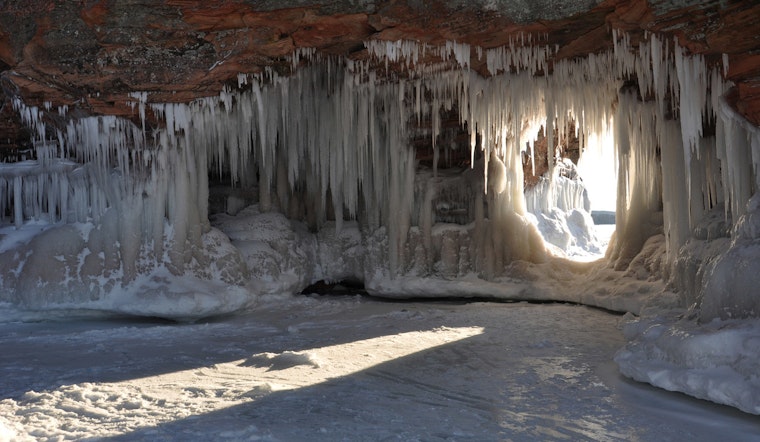
For the first time since 2015, the famed ice caves at Meyers Beach in Apostle Islands National Lakeshore finally opened on Monday, pulling in excited visitors from across the Upper Midwest. By Tuesday, the party was over. Park rangers closed the route after high winds and heavy crowds made the frozen stretch of Lake Superior too risky to cross, and they now plan to reassess ice stability before deciding whether the public will get another shot this winter.
Park officials urged caution
The National Park Service had warned from the start that access would only happen if the lake ice met strict safety benchmarks. Officials described the ice caves as “a rare and remarkable winter phenomenon” and urged would-be visitors to take the conditions seriously. Superintendent BriAnna Weldon told reporters the park would be watching the ice closely and could shut things down with little notice. The agency also rolled out an Ice Line and shuttle guidance so visitors could plan their trips without winging it on a frozen Great Lake.
Closed after one day
By Tuesday, a "strong winter weather system" and "heavy crowds and transportation congestion" combined to force the closure, and the caves could stay off-limits for several days while rangers recheck the ice, according to the Milwaukee Journal Sentinel. Bay Area Rural Transit sold at least 2,000 bus tickets on opening day, and many visitors ended up stuck in long shuttle lines instead of out on the lake. Park officials said anyone who paid the 5 dollar ice-caves fee but never made it to the trailhead will be able to use those passes on a future date.
Why openings are so rare
The spectacle only happens when Lake Superior cooperates, which is not often. The ice caves form when the lake freezes and a long, calm cold snap allows waves to build up thick, stable ice. Openings have happened only a few times since 2000, most recently in 2014-15, according to Weather.com. Experts and park staff say the lake usually needs roughly 90 percent ice coverage near shore and very light winds for safe access. Climate-driven swings in Great Lakes ice cover have made those conditions harder to come by, which only ramps up demand and risk on the rare winters when everything lines up.
Shuttles, fees and local strain
With no parking at Meyers Beach, every visitor has to rely on county-run shuttles and satellite parking lots. A separate 5 dollar per-person event fee is charged for the ice caves, and shuttle buses can cycle through every 25 to 35 minutes, according to WBAY. On Monday, that setup was stretched to its limits. The sudden flood of people turned Bayfield-area roads and shuttle stops into chokepoints, piling pressure on a small community that is not built for big-city crowds. Officials also warned visitors not to try gaming the system by parking along State Highway 13 or skipping the shuttles, noting that cars can be towed and roadside chaos adds yet another safety problem.
Storms quickly erased the gains
Any progress the cold snap made was short-lived. Webcam footage showed a striking change in the ice shelf between Tuesday afternoon and early Wednesday, and WXPR reports that high winds shattered much of the ice along the caves, likely ending the season. The station noted that the brief stretch of calm, sub-zero weather that created safe ice in the first place is not expected to return before spring. That means the one day of access on Monday may go down as the only chance visitors had this winter.
Check official sources before you go
Rangers are urging anyone eyeing a trip to rely on official updates, not guesswork. Visitors are asked to check the park’s Ice Caves webpage and call the Ice Line at (715) 779-3398 x3 for day-to-day information, according to the National Park Service. Safety guidance from the agency includes wearing waterproof boots and traction devices, steering clear of overhanging ice, and packing water and emergency supplies. With spotty cell service and no shelters along the route, a bluebird day can turn dangerous faster than most tourists expect.
Officials say passes for visitors who never reached the caves will still be honored later, and new information will go up on the park’s website and Facebook page as conditions change, according to local reporting and early coverage from Fox21Online. For now, rangers are back to watching the ice and weighing public safety before they even think about inviting crowds onto Lake Superior again.



