

























































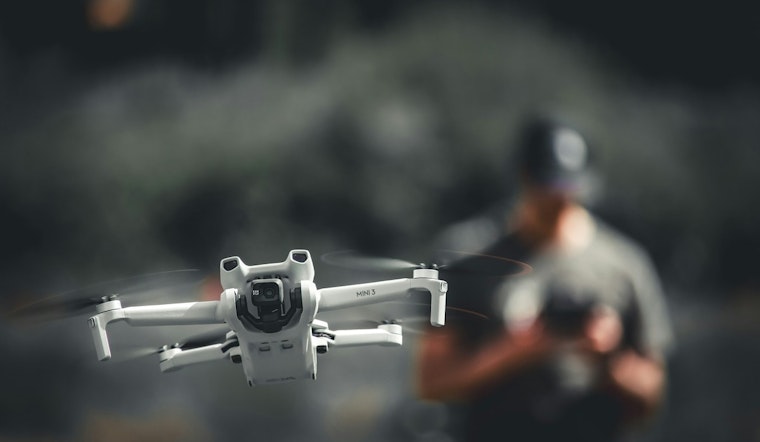
The Los Angeles Board of Police Commissioners voted unanimously Tuesday to accept a $2.1 million donation that would supercharge the LAPD’s Drone as First Responder pilot, paying for more drones and new rooftop docking stations across the city. The move marks the latest escalation in a months-long experiment that supporters say will give officers faster eyes on unfolding incidents, while critics warn it inches Los Angeles toward normalized, everyday aerial surveillance.
The money is coming from the Los Angeles Police Foundation, and the City Council still has to sign off before a single dollar can be spent. The LAPD’s Office of Operations told commissioners the funding is earmarked for drone purchases, dock installation and related services. Assistant Chief Emada Tingirides’ office said the department plans to pair the $2.1 million with a $1.8 million retail-theft grant to cover a three-year equipment, warranty and service contract with Skydio Inc., a package that includes 17 docking stations and several standalone drones, according to MyNewsLA.
How the drones will work
The Drone as First Responder system is designed to send small, camera-equipped aircraft to 911 scenes so dispatchers and officers can see what is happening before patrol units roll up. The drones stream live high-definition and thermal video, giving real-time aerial views that officials say can help assess threats, track suspects and cut down on risky face-to-face encounters for officers.
The new docking stations are built to recharge and automatically launch the aircraft, turning them into quick-response tools that can be deployed within moments of a call. The LAPD’s public Drone as First Responder portal lays out the pilot program’s mission, a flight dashboard and the stated operational safeguards that city officials say are meant to govern how and when the drones fly.
Privacy and oversight
Privacy advocates and some commissioners focused on oversight have pushed back on the expansion, warning that a wider drone footprint could quietly expand day-to-day surveillance and land hardest in certain neighborhoods. When the commission broadened the Drone as First Responder policy last summer, the Los Angeles Times reported similar concerns and highlighted officials’ pledges to conduct periodic audits and maintain a public flight log, even as the department says it will not arm drones or equip them with facial-recognition technology.
State rules are another piece of the puzzle. California’s Assembly Bill 481 classifies certain police equipment, including drones, as subject to public reporting and extra oversight, and the bill text spells out what agencies must disclose and how they must write and adopt their policies.





