

























































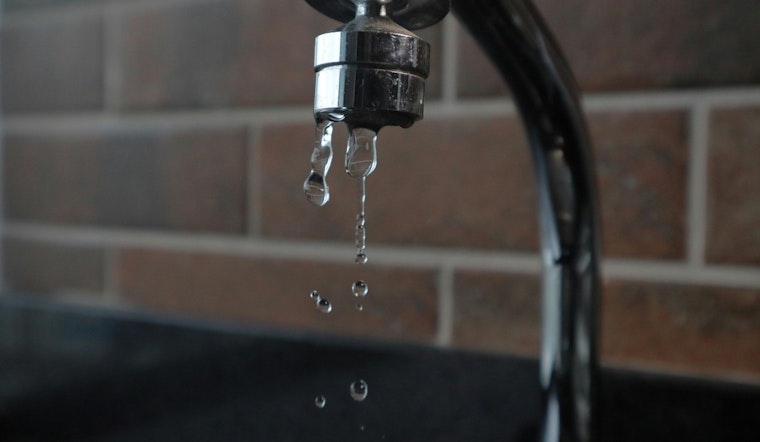
Lead is turning up in a solid majority of New Orleans kitchen sinks, and it is rattling a lot of nerves. A new look at city testing data suggests that roughly six in 10 homes checked through a Sewerage & Water Board program had detectable lead flowing from their taps, with a few readings so high they are supercharging calls to rip out old service lines faster.
According to an investigation by Verite News, previously unpublished data from the Sewerage & Water Board show that about 60 percent of more than 1,100 households that used the board’s first free water-testing program had lead in their water. The worst single sample clocked in at roughly 100 times the federal action level, and the review found that almost every home with detectable lead was above what pediatricians recommend for safe drinking water. That is the kind of statistic that makes parents eye the faucet with suspicion.
City inventory, money and the timeline
The Sewerage & Water Board of New Orleans has rolled out a searchable inventory of service lines that is slowly pulling back the curtain on where lead is hiding. The latest version flags roughly 15,000 customers with known lead service lines and lists about 119,000 addresses as “unknown,” which means the material has not yet been confirmed. The utility says it has lined up roughly $86 million in State Revolving Fund support to help pay for replacements.
Alongside the mapping effort, the board is offering free water test kits and lead-filtering pitchers and has put an online map in place so residents can look up their own addresses. Local reporting and city council summaries describe procurement disputes and a stalled bidding process that have dragged out the schedule for a full-scale replacement program, complicating the push to remove tens of thousands of lead lines across the city.
Health thresholds and what they mean
Public-health experts are blunt on one point: there is no truly safe level of lead exposure, and low-level, long-term contact is especially damaging for children. The American Academy of Pediatrics recommends that water used by children stay under 1 part per billion, according to the group’s guidance. The Environmental Protection Agency’s Lead and Copper Rule, by contrast, uses a systemwide action level of 15 parts per billion to trigger required steps by a utility.
In recent years the EPA has updated its rules around service-line inventories and replacement schedules, which helps explain why New Orleans is mapping its lines now. That federal backdrop is pushing utilities toward more transparency and more aggressive planning, even if the actual digging and pipe replacement lag behind the paperwork.
What residents can do now
While the long-range fix depends on contractors, funding and city timelines, residents are being urged to take some basic precautions at home. The Sewerage & Water Board is providing free test kits and lead-filtering pitchers, along with guidance on its website about how to flush plumbing and which filter standards to look for.
Officials advise using only cold water for cooking and infant formula, since hot water can pull more lead from pipes. They also recommend running the tap for about a minute after water has been sitting unused, and using NSF-certified filters or pitcher systems that are rated to remove lead. Those steps can lower day-to-day exposure while the replacement program ramps up.
Local reaction and next steps
City officials, council members and community advocates are pressing for both speed and fairness in how replacements roll out. They have argued that crews should coordinate work with street and infrastructure projects and that neighborhoods near schools and parks should be at the front of the line. Local TV outlets report that journalists are pressing the Sewerage & Water Board for more detailed updates, and city meeting notes show officials are still wrestling with procurement rules and long-term funding choices.
Advocacy groups and public-health researchers say the city has two big jobs at once: accelerate the removal of lead service lines and shield children as much as possible in the meantime. Replacing tens of thousands of lines is a costly, multi-year undertaking that will require sustained political will and money. Until that catches up, New Orleanians are being told to stick with the basics that experts say help the most: test, filter and flush.





