

























































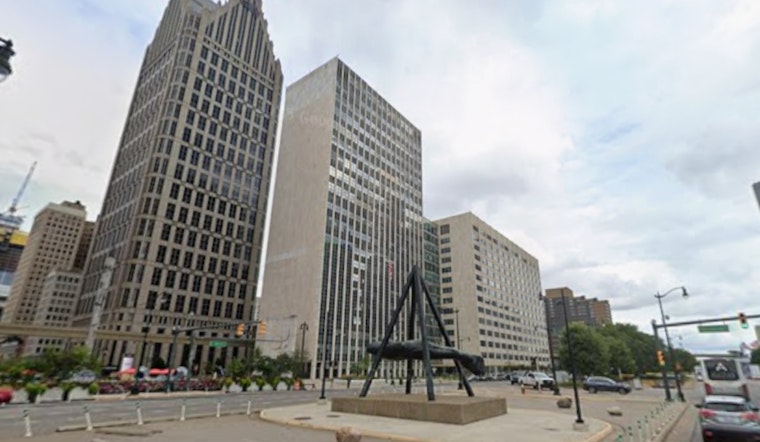
Dozens of former residents of the Leland House in downtown Detroit are still locked out of their former homes after an emergency evacuation in December, with no chance yet to grab even the basics. Tenants say everything from vital medications and identification papers to irreplaceable family mementos is still trapped inside, and a federal bankruptcy hearing set for Feb. 24 is expected to shape what happens next.
City officials maintain that the building is too dangerous to enter because of damaged electrical equipment and nonfunctioning life‑safety systems. Crews will not allow residents back inside until those hazards are corrected. The Detroit Fire Marshal ordered the evacuation on Dec. 10, and the city’s Housing and Revitalization Department has since been coordinating hotel stays, pet reunification and other wraparound services for displaced households, according to the City of Detroit.
Behind the scenes, a legal fight over access is unfolding in federal bankruptcy court as tenants, the city and the building’s owners argue over who can remove personal property and under what rules. In January a judge signed an order that would allow outside moving contractors to enter and pack up units, a move tenants’ lawyers have asked the court to reconsider. The dispute is scheduled for further proceedings on Feb. 24, according to CBS Detroit. Owners have also told a county judge they want permission to sell the property and have pushed to auction it as part of the Chapter 11 case, local reporting shows, according to ClickOnDetroit.
How the city says it will protect property
City attorneys argue that the safest option is to keep residents out entirely and rely on insured professional crews to box up and remove personal items. According to the city, many households have already granted permission for staff to enter and pack belongings, and some residents have agreed to have their possessions moved into storage while the case plays out, according to the Michigan Chronicle.
Residents say that is not good enough
Former tenants and housing advocates counter that the sudden evacuation and locked doors have left people without critical medications and paperwork, and they point out that many of those displaced are low‑income seniors. Attorneys for the tenants and the Detroit Tenants Union say residents have been shut out of important decisions about their own possessions and have pushed the court to allow supervised, in‑person access so people can retrieve items themselves. That concern has been highlighted in recent coverage from WXYZ.
Legal stakes and what to watch
At a recent hearing, U.S. Bankruptcy Judge Maria Oxholm questioned whether tenants had been properly notified or given a real chance to participate in decisions about their belongings. She ordered the parties to meet and return to court on Feb. 24 to try to hammer out a plan. That session could result in supervised, limited access for residents, a formal contractor removal plan, or new conditions on a proposed sale. The judge has signaled that tenants should have a meaningful place in the process, according to the Metro Times.
For now, displaced households remain in short‑term housing while the city continues to push both for repairs that would make the building safe and for court orders that let tenants reclaim their possessions without risking their safety. The Feb. 24 court date is the next major checkpoint in a standoff that has left personal property, and long‑term housing stability, in limbo for many Detroiters.





