

























































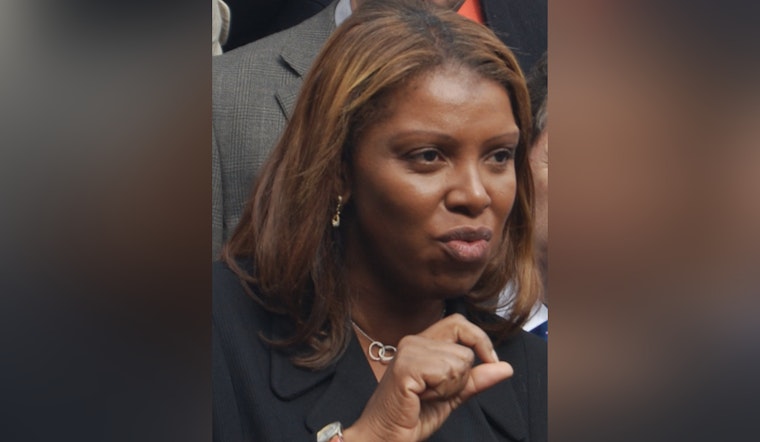
New York Attorney General Letitia James is hauling the Trump administration into federal court, accusing it of illegally yanking nearly $8 billion in energy and infrastructure grants that Congress already signed off on. Announcing the move Wednesday, James said the Department of Energy abruptly froze hundreds of awards, leaving projects and work crews in limbo in New York and across the country. She cast the cuts as a partisan hit that undercuts planned grid upgrades, building-efficiency work and local jobs that state and local officials were counting on.
According to a press release from the Office of the New York Attorney General, the suit challenges the Department of Energy’s termination or abandonment of more than 300 awards totaling more than $7.5 billion. The funding, James' office says, was awarded under the Bipartisan Infrastructure Law and the Inflation Reduction Act. Her team alleges the sudden cancellations stalled grid-modernization and energy-efficiency projects, triggered layoffs and left states unable to move ahead with planned construction. The multistate coalition is asking a federal court to stop the rescissions and restore access to the money.
In a post on X, James accused the administration of “sabotaging investments in our communities” instead of lowering costs, and said she was joining forces with other attorneys general in the lawsuit. Similar cases are surfacing around the country. California has announced its own challenge over the loss of roughly $1.2 billion for its ARCHES hydrogen hub, and other states have filed related suits, according to Reuters. The latest complaints feed into a broader legal fight that has already produced mixed outcomes in federal courts.
What the Suit Argues
The complaint asks a federal court to invalidate the terminations and order federal agencies to release the funds that Congress appropriated. James and her counterparts argue the administration overstepped its authority by unilaterally scrapping awards that had already been obligated. The attorneys general say the rescissions were arbitrary and capricious, violated the Administrative Procedure Act and trampled on Congress’s power of the purse, according to the Office of the New York Attorney General. They are seeking immediate injunctive relief so that state and local projects can restart while the courts hash out the larger constitutional and statutory questions.
Where Projects Could Be Hit
The terminated grants span a wide range of initiatives, including grid upgrades, building-efficiency retrofits and early-stage hydrogen hubs. In a separate legal fight, New York has challenged federal stop-work orders that put major offshore wind developments such as Sunrise Wind and Empire Wind on ice earlier this winter, a clash detailed in coverage of the state’s suit over illegally halting offshore wind projects. Out west, California officials say the ARCHES hydrogen hub lost about $1.2 billion in federal backing and warn that the cuts jeopardize jobs and long-term private investment, according to the California governor’s office.
Legal Stakes and Next Steps
Federal judges are already weighing how far the administration could legally go in tearing up clean-energy funding. In a recent decision, a court found the cancellation of about $7.6 billion in clean-energy grants unlawful and noted that many terminations appeared to zero in on projects in Democratic-led states, according to AP News. Rulings like that could influence how quickly judges decide whether to restore money in the newer cases, but the litigation is expected to drag on and could easily land in the appellate courts.
For now, James and her state partners say they plan to press hard in federal court to get the grants turned back on so that projects and workers are not left in limbo indefinitely. New Yorkers tied to the affected energy and infrastructure work will be watching the court calendar closely as judges consider whether to unwind the administration’s cuts.



