

























































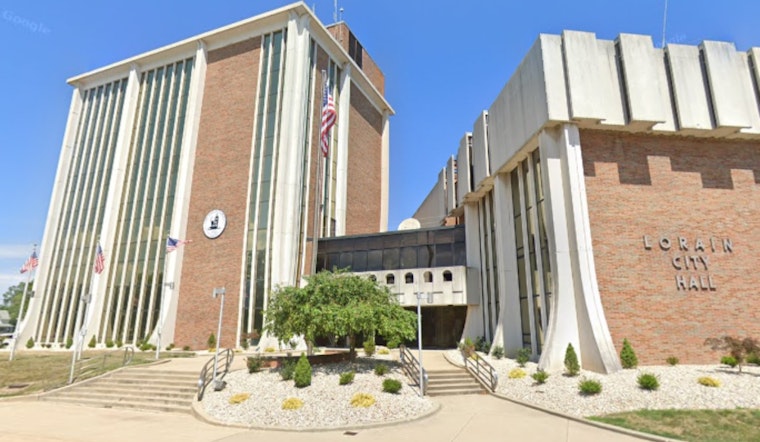
The long-running tug-of-war over who calls the shots in Lorain County government is back on the agenda. A fresh push is underway to scrap the current three-member, at-large Board of Commissioners and replace it with a larger, district-based body. Supporters want seven single-member districts that would give small towns and rural pockets their own direct representative, while critics say the move would jack up costs and splinter countywide decision-making. All this is happening even after voters shot down a similar proposal just months ago.
Commissioner David Moore has made it clear he is not ready to let the idea die. He floated revisiting a plan to expand the board from three at-large seats to seven district-based ones and raised the issue at the commission's on Tuesday, Feb. 10, meeting, as reported by Cleveland.com. That reporting also notes that sustained coverage and the outlet's "Today in Ohio" podcast helped fire up residents to pack recent meetings. Moore and other backers argue the change would finally give long-overlooked communities a realistic shot at electing one of their own.
What supporters say
Fans of the seven-seat plan say carving the county into districts would make it easier for neighborhood candidates to run without needing countywide name recognition or deep pockets. They argue commissioners who answer to a smaller slice of residents are more likely to show up at local events, return calls and push back against what they see as big-city or courthouse power centers.
"We have a very diverse group of people that live in Lorain County," Moore told News 5 Cleveland in earlier coverage of the seven-district idea. Supporters point to other Ohio counties that have reworked their structures, noting that Cuyahoga and Summit counties now operate under charter governments, as outlined by Ideastream. The message from reformers: different models can work in Ohio, so Lorain County does not have to stay locked into the status quo.
Opposition and recent vote
Opponents see the same plan as an expensive headache in the making. They warn that adding four more commissioners would raise taxpayer costs, muddy who is accountable for countywide decisions and open the door for political map-drawing that could tilt power toward certain interests.
Voters backed that skepticism at the polls, soundly rejecting the seven-district proposal in a recent election by about 66,083 to 31,606, according to unofficial tallies reported by the Chronicle-Telegram. Local labor groups, several municipal leaders and a number of current county officials lined up against the measure during the campaign, arguing the existing three-member system is simpler, clearer and less prone to political games.
How the process would work
Turning the commission into a district-based body is not something that can happen with a quick vote at a Tuesday meeting. It would require either a citizen-led initiative or a formal decision by the commissioners to place a charter-style change on the ballot. That process typically involves public hearings and, ultimately, countywide voter approval under state rules.
The Lorain County commissioners post meeting dates and public-comment rules on the county's website, and residents can weigh in at sessions held on the fourth floor of the county administration building, according to the county calendar and clerk information. Ohio's constitution and statutes spell out how counties can adopt charters or alter their governmental structure, so any plan would have to clear specific procedural hurdles and ballot thresholds before it could become reality.
Why it matters for local policy
Beneath the structural debate is a very practical question: who controls the purse strings and priorities that touch nearly every corner of daily life. The board handles countywide decisions on budgets, taxes and programs that affect everything from tourism to legal defense for low-income residents.
Recently, commissioners voted to double the county bed tax to 6 percent and to create a public-defender commission as part of the 2026 budget process, per reporting by the Chronicle-Telegram. For advocates of reform, moves like these highlight how much power a small board holds. For skeptics, they reinforce the argument that big decisions should stay in the hands of officials who answer to the entire county.
For now, commissioners, activists and wary residents are watching agendas and the county calendar to see if talk turns into formal action. If organizers gather enough signatures or the board votes to send another charter-style change to the ballot, Lorain County voters could be staring at a familiar question again within months: stick with three at-large commissioners, or roll the dice on seven district seats.





