

























































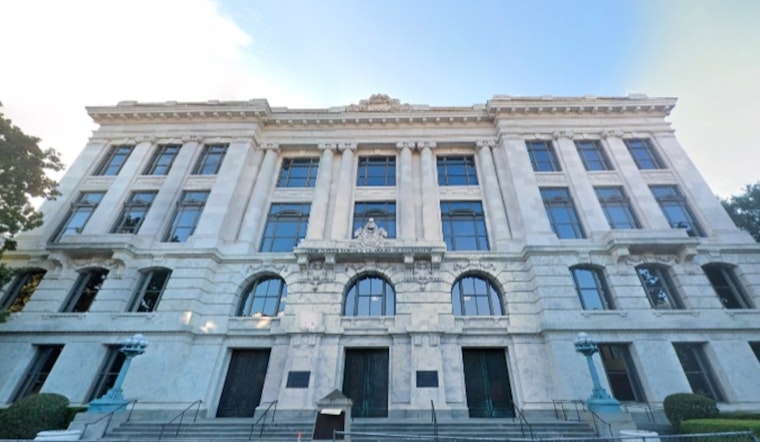
Louisiana’s highest court has unanimously shut down Attorney General Liz Murrill’s effort to slam the door on death row inmate Larry Roy, ruling that a decades-long delay in his post conviction case does not automatically kill his shot at relief. In a decision issued today, the Louisiana Supreme Court refused to overturn a lower court finding that delay alone is not a per se reason to deny review, and that the state’s own conduct has to be factored in when judges weigh prejudice. Roy’s petition now moves forward for deeper review, although the ruling does not touch the underlying facts of his 1990s convictions.
High Court Backs Judge Who Blamed State Delays
The Supreme Court’s opinion sided squarely with Ninth Judicial District Judge Lowell “Chris” Hazel, who had found that the state bears part of the blame for the long procedural stall. Hazel cited missing records and what he called a “grave error” by prosecutors, who once told courts that a trial lawyer in the case had died and then failed to correct that misinformation. The justices brushed aside the attorney general’s claim that Roy effectively let his own petition gather dust and unfairly prejudiced the state simply by waiting. As reported by NOLA, Chief Justice John Weimer wrote in a concurrence that the court “correctly rejected the state’s assertion that the passage of time is per se prejudicial.”
Old Case, New Questions
Roy was convicted and sentenced to death for the May 1993 killings of Freddie Richard Jr. and Rosetta Silas in Cheneyville, in Rapides Parish. The story of his trial, appeal and death sentence is laid out in court opinions from the 1990s, followed by years of post conviction filings that have bounced through hearings and rulings. In 2001, the Louisiana Supreme Court ordered an evidentiary hearing that was later canceled when key records could not be found, a procedural snarl that now sits at the heart of the current fight. Court documents that track Roy’s conviction history and appeals are available through Justia.
Death Warrant Fight Put Case in the Spotlight
Rapides Parish District Attorney Phillip Terrell moved in early 2025 to secure an execution warrant for Roy and briefly landed a March execution date before a judge hit pause in the face of competing appeals and fresh collateral filings. That clash unfolded just as Louisiana officials pushed to restart executions and adopt nitrogen hypoxia as an execution method, placing Roy on a short list of condemned prisoners eyed for some of the earliest possible dates. The back-and-forth over the warrant, the shifting dates and the district court’s decision to stand down are detailed in coverage by the Rapides Parish Journal.
Why the Court Refused to Bar Relief
State lawyers told the Supreme Court that Roy’s decades-old petition should be blocked outright under newer procedural rules, arguing that the long delay has unfairly crippled their ability to defend the death sentence. The justices were not persuaded. Instead, they said trial courts have to look closely at who caused the delay and whether the state can show real, concrete prejudice, rather than simply assuming prejudice from the passage of time. The opinion comes on the heels of legislative changes last year that tightened filing windows for post conviction claims, yet the court applied its existing standards to Roy’s record instead of announcing a blanket time bar. NOLA reported the ruling, while AP News has chronicled the broader statewide push to restart executions and add nitrogen hypoxia to the playbook.
What Comes Next
The ruling sends Roy’s post conviction petition back to Judge Hazel’s courtroom for further proceedings and possibly long delayed evidentiary hearings. Terrell’s office has said it remains committed to pursuing Roy’s death sentence and plans to keep pressing every available legal avenue, according to local reporting. Beyond Roy’s case, the Supreme Court’s decision is expected to shape how other old and delayed post conviction claims are handled in Louisiana as courts and prosecutors adjust to the state’s tightened deadlines. For more on recent courtroom sparring and the district attorney’s public stance, see coverage from KALB.




