

























































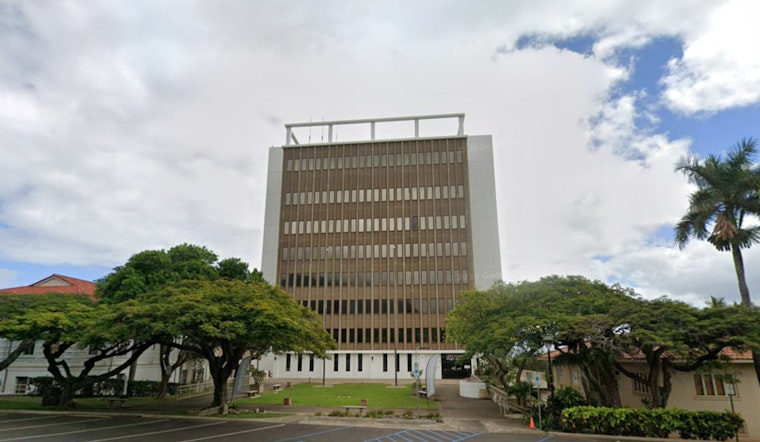
The Maui Planning Commission voted Tuesday to shoot down a council-backed proposal that would have created two new hotel zoning categories, H‑3 and H‑4, which supporters said could keep thousands of short-term rentals alive. The decision is a major setback for property owners who want to keep their units on the visitor market and turns up the heat on Maui's already fierce debate over housing and tourism.
According to Hawaii News Now, commissioners rejected the proposal after hours of public testimony that ran the gamut from emotional to sharply technical. The measure would have set up H‑3 and H‑4 hotel districts that largely mirrored apartment zoning but explicitly allowed transient vacation rentals to continue operating.
Bill 9, approved by the Maui County Council and signed by Mayor Richard Bissen in December, is already on track to phase out thousands of transient vacation rentals in apartment-zoned areas. County figures put the affected Minatoya list at about 7,000 units, and the council's Temporary Investigative Group recommended roughly 4,500 parcels for possible H‑3 or H‑4 rezoning. As Hawaiʻi Public Radio reports, the deadlines to convert units vary by area, with West Maui facing a cutoff of Jan. 1, 2029, and other regions following by Jan. 1, 2031.
What People Told The Commission
Testifiers made it clear there is no consensus on what Maui should do next. Opponents of the new hotel districts argued that every policy decision should tilt toward housing residents, not locking in more visitor accommodations. Supporters, many of them owners and managers, warned that pulling units off the visitor market could punch a hole in household incomes and the broader local economy.
Hawaii News Now quoted Jordan Ruidas as saying the island is facing “a devastating shortage of homes for residents,” framing the issue as a basic question of who can afford to stay on Maui. The outlet also quoted Leianai Kelikoa, who warned that expanding hotel-style zoning would further squeeze “kupuna” and “keiki,” putting elders and children at risk of being pushed out.
Next Steps For The Zoning Fight
The planning commission's thumbs down is not the final word. The recommendation now heads to the Molokaʻi and Lānaʻi planning commissions, which will weigh in before the Maui County Council makes any binding decisions.
Maui Now notes that the planning commissions' votes are advisory. The council ultimately holds the power to approve or reject any H‑3 or H‑4 rezoning requests, setting up a political showdown that is likely to stretch on for months, if not years.
Legal Pushback Already Underway
Even before this week's hearing, property owners were signaling they would not take the phase-out quietly. Some have already turned to the courts, arguing that stripping away the right to rent to visitors crosses a constitutional line.
Maui Now reports that owners at the Kāʻanapali Royal filed suit on Dec. 19, claiming the phase-out amounts to an unconstitutional “regulatory taking.” That case is one of several early tests of whether Bill 9 can withstand a legal barrage from affected owners.
Why This Matters For Maui
If the island's planning commissions continue to balk at recommending H‑3 and H‑4 carve-outs, more of the Minatoya units are expected to convert to long-term housing. Supporters of Bill 9 say that is exactly the point and argue it will finally open up more homes for local residents. Opponents counter that rapidly shifting thousands of units off the visitor rolls could chip away at county tax revenues and squeeze local businesses that rely on tourist dollars.
According to Hawaiʻi Public Radio, the law is designed to rebalance Maui's housing stock in the wake of the 2023 wildfires, which intensified pressure on an already tight market. At the same time, the outlet notes that the shift raises thorny questions about how much visitor revenue Maui can afford to lose and how much it will spend on legal battles as the phase-out rolls forward.





