

























































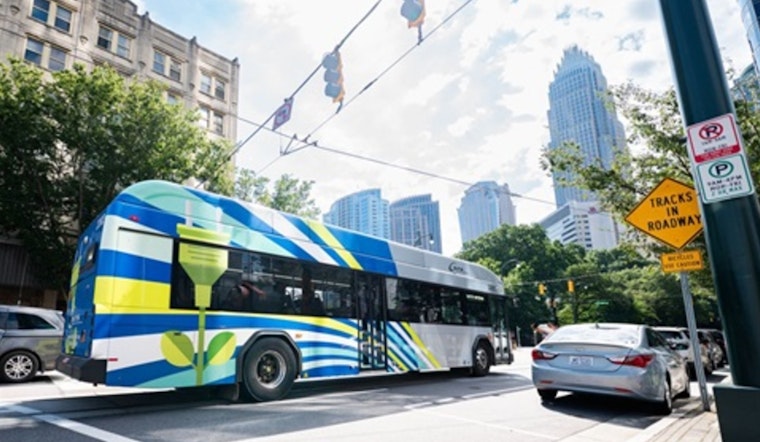
Mecklenburg County commissioners spent yesterday sizing up Project BOAST, a proposed county effort to keep small, long‑time businesses from getting steamrolled by coming transit construction. Staff pitched a support package that would help shops weather rail and streetcar work with access to lines of credit, contracting help and beefed‑up outreach to customers.
What County Staff Put On The Table
According to a Project BOAST presentation from Mecklenburg County, the proposal rests on five main pillars: business preservation and anti‑gentrification, better access to contracting opportunities, capacity‑building technical assistance, customer connections and workforce development.
The slides peg the estimated request for fiscal year 2027 at about $1.41 million, covering staff positions, operating costs and outside contractors. They show a planned ramp up to roughly $3.18 million by fiscal year 2029 as more transit projects hit full construction mode. Staff framed BOAST as a complement to banks and nonprofits, not a replacement for private financing or existing small‑business programs.
Commissioners Press On Who Picks Up The Tab
Not everyone on the dais was sold on the county being the primary backstop. As reported by WFAE, Commissioner Susan Rodriguez‑McDowell told staff, “I think y’all have designed a great program, but why is it the county’s to do?”
Other commissioners zeroed in on what happens once a new regional transit authority eventually takes over operations. If another agency will be running the system, several members asked, how much of the financial and administrative burden for business support should stay with the county versus shifting to that future authority?
Who Qualifies And What Help Looks Like
The county presentation says Project BOAST would zero in on microbusinesses and single‑location firms with 50 or fewer employees and at least two years of filed tax returns. Priority would go to businesses dealing with direct construction‑related disruptions, such as blocked access, reduced parking or prolonged street work out front.
Staff outlined a grab bag of potential supports: a construction accelerator and mentor‑protégé contracting program, a displacement‑mitigation hotline, temporary marketing and communications to keep customers in the loop, and help with financial management. The plan also calls for a lending resource guide and expanded partnerships with local nonprofits to widen access to lines of credit and grants, as laid out by Mecklenburg County.
What Happens Next
County officials say BOAST would be folded into the fiscal year 2027 budget process, with partnership development, hiring and contracting work stretching through the spring and summer. The presentation sketches out Phase I through June and recommends performance‑based contracts and annual reporting so commissioners can see what they are getting for the money.
The broader transit expansion that triggered this entire conversation was approved by voters last November through a one‑cent sales tax, according to the Charlotte Area Transit System. Residents and business owners should see more specific BOAST language and potential partner agreements in the county manager’s recommended budget later this spring, when commissioners will have to decide whether this support program becomes part of the long‑term transit package or stays on the drawing board.





