

























































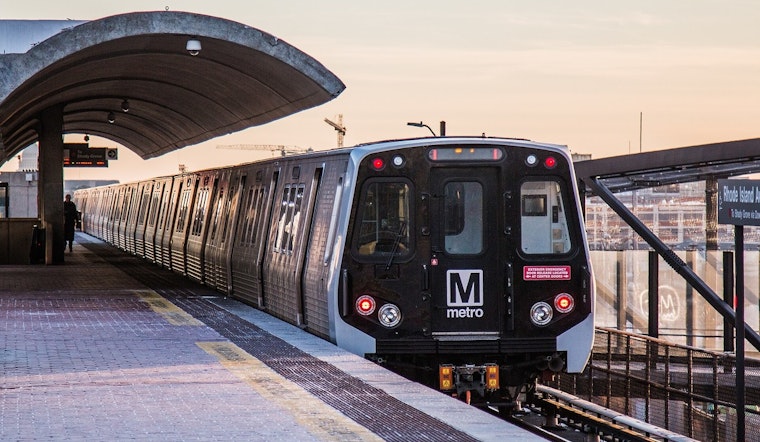
Part-time, graduate and community college students across the D.C. region are about to get a long-awaited break on Metro fares. On Thursday, Metro's Board voted to expand the U-Pass college transit program so it covers far more students and introduces new opt-in pricing that will kick in for the fall 2026–27 academic year. The goal is to grow the program beyond its current footprint and make unlimited Metrorail and Metrobus access cheaper and simpler for more campuses, as part of Metro's broader push to rebuild ridership and deepen ties with local institutions.
In a Feb. 26 press release, Metro said the Board signed off on more flexible participation models, according to WMATA. Schools can keep a "universal" option that holds the current roughly $1-per-day rate when 100% of eligible students are in, or choose a new "opt-in" option at about $1.75 per day with at least one-third of eligible students participating. Metro said the revamped program will be available in the fall 2026–2027 school year. The agency also reported that U-Pass served more than 35,000 students and generated about 4.6 million trips in fiscal year 2025, with 43 colleges eligible and a potential reach of roughly 360,000 students across the region.
"U-Pass is a win for students, universities and the entire region," Metro General Manager Randy Clarke said in the release, according to WMATA. He added that the new structure should make it easier for more institutions to sign on. Metro Board Chair Valerie Santos said the program "gives students the freedom to move confidently across our region," language Metro used to frame the expansion as part of its bigger strategy.
New options aim to lower barriers
Under the revised setup, campuses get more choice in how they participate. Colleges can still go with a universal enrollment model or opt into the new plan and define which students on their campus qualify. Some schools already treat U-Pass as a mandatory fee. George Washington University's site shows students paid about $100 per semester for 2025–26, with a planned increase to $115 for 2026–27, an example of how institutions can absorb the pass cost while keeping what students pay out of pocket relatively low.
How and when students will get passes
Participating schools will continue to distribute U-Pass cards to enrolled students. Many campuses also let students load the pass into Apple Wallet for mobile use, a feature American University and others already provide. American University's U-Pass page documents the program's adoption in 2016 and lays out activation and pick-up instructions that show how a campus rollout can work under the expanded rules.
Why Metro says it matters
Metro is pitching the expansion as both an equity tool and a ridership strategy. Broader U-Pass eligibility can cut transportation costs for students, help connect them to jobs and internships, and ease pressure on campus parking. Officials say the changes align with Metro's Strategic Transformation and DMVMoves goals, which focus on rebuilding daily ridership and strengthening partnerships with colleges and universities across the region.
The program changes take effect for the fall 2026–27 school year, and individual campuses will have to decide whether to participate and which enrollment model to use before then. Local coverage of the Board's vote is available, as reported by WUSA9, and students are advised to check with their campus transportation or student accounts office for school-specific timelines and fee details.





_-_Rhode_Island_Ave_-_Brentwood_-_24698781777.jpg)