

























































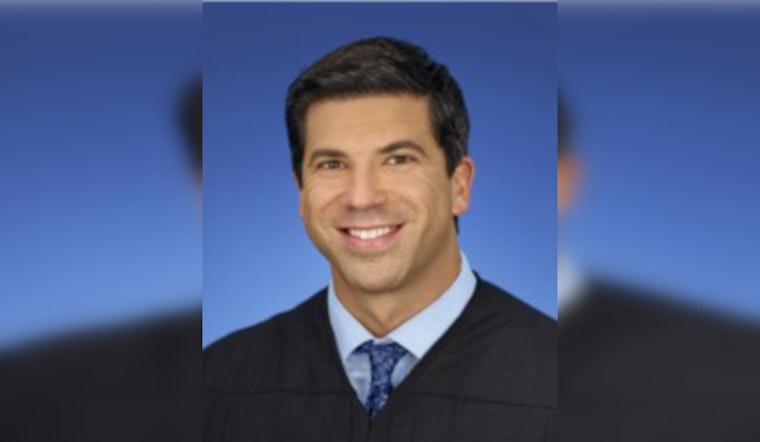
Federal Judge Roy K. Altman is keeping former President Donald Trump’s $10 billion defamation slugfest with the BBC on a fast track, refusing a request to slow the case down and setting a jury trial for February 2027. At the center of the dispute is a Panorama edit that Trump says stitched together parts of his Jan. 6, 2021 remarks to make it look like he was urging violence. His suit seeks $5 billion for defamation and another $5 billion for unfair trade practices, and Altman’s ruling opens the door to discovery that could reach deep into the BBC’s editorial files and internal communications.
Judge rejects BBC request to stay discovery
In orders from the Southern District of Florida, Altman called the BBC’s attempt to pause discovery while it prepares a motion to dismiss "premature," turned down the stay and set a two-week jury trial for February 2027, according to the Associated Press. With that, both sides are headed toward exchanging document requests and lining up depositions that could bring to light internal emails, production notes and other materials tied to the Panorama broadcast. The BBC has told the court it plans to seek dismissal on jurisdictional grounds and for failure to state a claim while it builds its defense.
What Trump says the BBC did
Trump’s complaint targets a Panorama episode titled "Trump: A Second Chance?" which, his lawyers argue, spliced together three quotes from two different portions of his Jan. 6 speech into what appeared to be a single call to "march" and to "fight like hell," while cutting out passages where he urged his supporters to protest peacefully, as reported by Reuters. The suit demands $5 billion for defamation and another $5 billion under Florida’s deceptive and unfair trade practices law, claiming reputational and commercial damage from the way the clip was edited. The BBC has characterized the segment as a mistake but denies that it rises to the level of defamation and says it will pursue a procedural defense in U.S. court.
Apology and high-level shakeup at the BBC
The BBC has apologized and called the edit an "error of judgement," and the uproar helped trigger the resignations of Director-General Tim Davie and BBC News chief Deborah Turness, according to The Guardian. Because the episode aired just days before the 2024 U.S. presidential election, it intensified scrutiny of editorial oversight and impartiality at the publicly funded broadcaster. BBC officials say they will fight the lawsuit while continuing internal reviews into how the program was put together.
Legal hurdles and the road ahead
Court papers filed last month show the BBC plans to move to dismiss the case for lack of jurisdiction and for failure to state a claim, and it asked Altman to hold off on discovery until that motion could be resolved, per The Baltimore Sun. Altman said no, which means discovery is expected to begin and could require the broadcaster to turn over internal documents and communications with outside production companies. How broadly the court lets Trump’s lawyers probe those records, and how much of the case survives the dismissal motion, will determine whether jurors actually hear the dispute next winter.
Experts say U.S. venue could be a high bar
Legal analysts say Trump still faces significant obstacles in a U.S. courtroom, in part because the Panorama episode did not originally air in the United States and because public figure defamation claims generally require proof of actual malice, according to The Washington Post. If the case survives the early motions, proving damages sizable enough to back up a $10 billion claim is expected to be a central fight. With discovery now moving ahead, both sides will have their chance to test those arguments through documents and depositions.
Next up in the litigation are scheduling orders, expected discovery skirmishes and the BBC’s motion to dismiss, any of which could generate appeals or new delays. For now, though, Altman’s calendar still points to a trial start in February 2027, a timeline observers say will keep procedural battles in the spotlight long before any jurors are sworn in, as the Associated Press notes.




.png)