

























































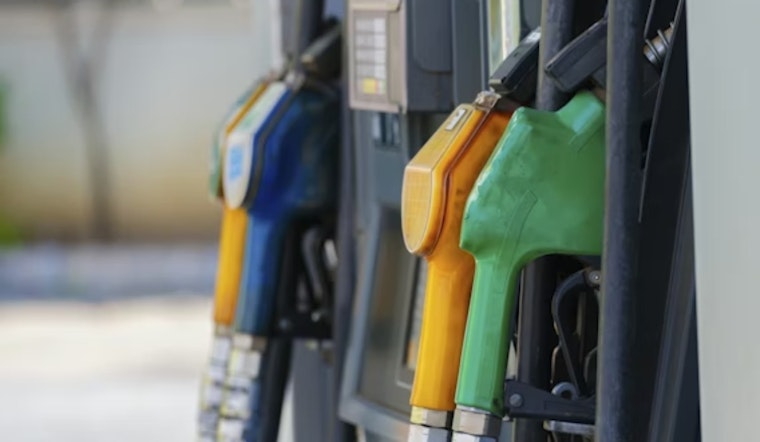
Michigan drivers are finally getting a little breathing room at the pump, with regular gas slipping under the $3-a-gallon mark this week after a stretch of higher winter prices. The statewide average for regular unleaded is hovering near $2.97 per gallon, while Metro Detroit sits at about $2.99, which works out to roughly $44 for a 15-gallon fill-up.
According to AAA's daily fuel tracker, Michigan's statewide average was $2.97 per gallon on Monday and the national pump price was about $2.93. AAA's dashboard shows the state average is a few cents lower than a month ago and notably below this time last year, a small but welcome shift for anyone commuting on a budget.
Prices by metro area
The picture changes depending on where you fill up. The Detroit News reports Ann Arbor around $3.07, Jackson at about $3.02 and Lansing near $3.00, while Benton Harbor, Marquette and Traverse City are among the cheapest at under $2.90 a gallon. Those differences have more to do with local supply patterns and market cycles than any big statewide divide.
Why prices are easing
Analysts are pointing to a familiar trio of reasons for the drop: lower crude oil costs, more available refinery output and softer winter demand. In its 2026 outlook, GasBuddy projects a national yearly average near $2.97, while also warning that prices could turn choppy this spring as refiners switch to summer blends. That combo suggests prices may stay relatively low for the next few weeks but remain vulnerable to refinery outages or geopolitical shocks.
What officials are saying
AAA spokeswoman Adrienne Woodland summed up the trend this way: "Gas prices across Michigan are easing up. Most drivers are seeing real drops at the pump," she told CBS Detroit. Woodland and other observers caution that local averages can still jump around from week to week.
For now, those lower numbers translate into modest savings for daily drivers, even as some neighborhoods are still stuck with prices above $3 a gallon. AAA updates statewide and local averages every day, and that weekly snapshot is likely to keep shifting as refiners adjust production and seasonal travel ramps back up.





