

























































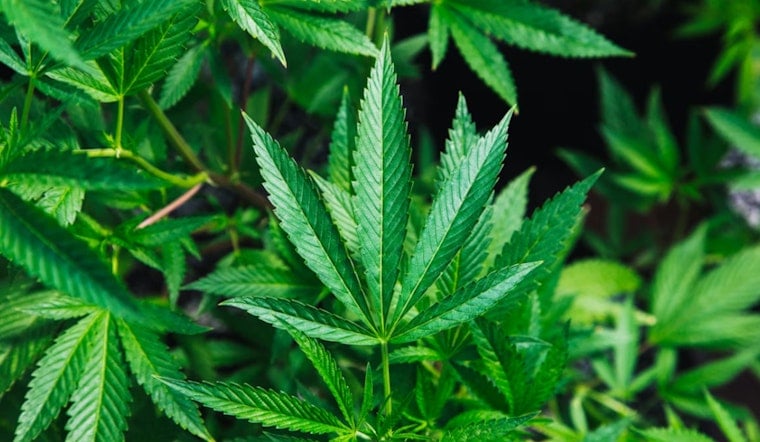
Milwaukee-area hemp shop owners and farmers are turning up the pressure on state lawmakers, warning that if Wisconsin does not set its own rules this session, a looming federal overhaul could wipe out huge chunks of their business. Owners like TabEASE founder Jeremy Smith say the clock is ticking to craft a Wisconsin-specific plan that protects jobs and keeps the state’s fragile hemp economy alive. With legislators split over competing bills, business groups say what happens this year could decide whether the market lives or dies.
“Legislation is at a gridlock,” Smith told FOX6 Milwaukee, warning of “extreme urgency” because a “billion-dollar industry” is on the line come November. Local television coverage has also featured farmers and dispensary owners saying they may have to shutter if the state does not create protections, a concern reported by TMJ4.
Federal rewrite tightens the definition of hemp
Last year, Congress tucked language into a spending measure that sharply tightens what counts as legal “hemp.” The new federal language shifts to a “total THC” standard, cuts out many synthesized or converted cannabinoids, and adds a strict cap on THC per container, with those provisions scheduled to kick in 365 days after enactment in November 2026, according to Congress.gov. Legal advisers say that combination could shove a large share of today’s hemp-derived edibles, tinctures, and beverages back under the Controlled Substances Act unless states create their own regulatory lanes, a scenario outlined in multiple legal briefings.
State bills would fold hemp into alcohol-style rules
At the Capitol in Madison, one of the main proposals on the table is Assembly Bill 606. The sweeping measure would rename the state’s Division of Alcohol Beverages as the Division of Intoxicating Products and bring hemp-derived cannabinoid products under an alcohol-style three-tier system that separates manufacturers, distributors, and retailers, according to a bill summary on BillTrack50. Local reporting and committee notes say AB 606 also layers on age-21 purchase limits, lab testing, clear labeling, and child-resistant packaging rules. Those pieces have rattled small farms and vertically integrated sellers, who worry the alcohol model would squeeze them out of the market, concerns detailed by Urban Milwaukee.
The Assembly Committee on State Affairs voted last fall to advance related regulatory language, a move that advocates point to as the moment the fight over the industry’s future really escalated. WSAW reported on the committee’s debate and the expectation that more rounds of negotiation would be needed.
Industry leaders say shops and farms are on the line
Not all lawmakers are pushing in the same direction. An October proposal from Reps. Lindee Brill and Jim Piwowarczyk would tighten Wisconsin’s statutes in ways critics argue would amount to a de facto ban on many intoxicating THC products, according to Wisconsin Public Radio. Business owners counter that anything resembling an outright ban would blow up supply chains and erase jobs. Smith has warned on local television that roughly “5,000 jobs” are at risk and that small operators could be forced to close, as reported by TMJ4.
Legal implications
Legal experts say the threat is not theoretical. If Wisconsin does not put state-level safeguards in place that mesh with the federal rewrite, many finished hemp products could be treated as marijuana under federal law. That could expose manufacturers, retailers, and distributors to criminal enforcement, cut them off from banking, and saddle them with punishing tax consequences. Industry groups and law firms, including national legal advisers, have flagged those risks in their briefings and client alerts.
Congress, for its part, has started to second-guess its own move. Lawmakers have introduced bills such as the American Hemp Protection Act (H.R. 6209) to repeal the new federal language, along with other measures to delay implementation, according to Congress.gov. None of those efforts, however, is guaranteed to pass.
With a federal deadline looming and multiple, conflicting ideas bouncing around Madison, the next few weeks of hearings and floor debates will determine whether Wisconsin builds a regulatory shelter for its hemp businesses or lets the federal rewrite dramatically shrink the market. Industry groups and small operators are watching the Capitol closely as lawmakers decide which path to take.





