

























































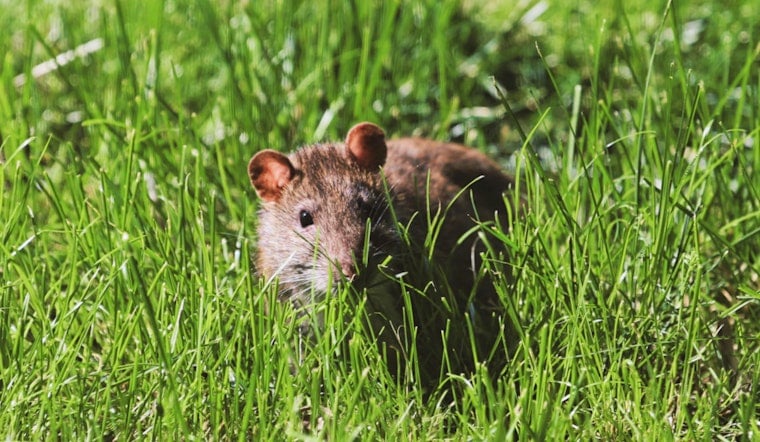
Bright, neon-green pellets, resembling small, colorful pieces, have been found along sidewalks near a garage on Sutton Street in Greenpoint. Local residents and dog walkers have reported seeing the pellets, noting that they could be mistaken for food by children or pets. With rats already present in the area due to accumulated trash, the presence of the loose poison has raised concerns about potential health risks to both humans and animals.
According to News 12 Brooklyn, the pellets turned up along sidewalks near 84 Sutton St after residents had already lodged multiple 311 complaints about filthy conditions and missed trash pickups in recent weeks. Dog walker Andrew Pedicino told the outlet he plans to keep a much tighter grip on his leash after spotting the poison, and neighbor Stan Manel warned that “a dog could die” if it got into the pellets. Neighbors say they have ramped up use of rodent repellents and have been posting warnings to keep pets far from the scattered bait.
What state rules require
State regulations require that pesticide applications be conducted by certified applicators and establish restrictions on the use of rodenticides outdoors. These restrictions include placing bait inside protected containers or directly into burrows to limit access by non-target animals and people. According to guidance from the New York State Education Department on integrated pest management, applicators are required to comply with Department of Environmental Conservation regulations, maintain detailed records of applications, and use tamper-resistant bait stations for outdoor work when applicable. The purpose of these measures is to prevent children, pets, and wildlife from coming into contact with loose poisonous baits.
Health and wildlife risks
Loose pellet baits can be toxic to pets and wildlife that consume them, and the risk extends to predators that eat contaminated rodents, a process known as secondary poisoning. The U.S. Environmental Protection Agency has proposed stricter regulations on rodenticides, including the use of tamper-resistant bait stations and limiting certain highly toxic active ingredients to certified applicators, due to potential risks to non-target animals and people. Veterinarians and pet-poison hotlines note that prompt attention is important if an animal may have been exposed.
Neighbors pressing for a quick response
Residents say they have reported the neon pellets to 311 and are calling on the city to crack down on trash violations and remove any hazardous bait from the sidewalks. The city health department told News 12 Brooklyn that inspectors can order loose rodenticides to be removed, and that property owners should seal food waste properly and hire a licensed pest professional if rats are present. Officials also point New Yorkers to the free Rat Academy, where residents can learn safer control methods. Neighbors say they are hoping that stepped-up inspections and better trash management will cut down both on rats and on reckless baiting along the block.
What to do if you find suspicious bait
If you come across loose pellets on a sidewalk or near a building, keep children and pets away, take photographs of the scene, and report it to 311 so inspectors can investigate. If you suspect that a pet has eaten rodenticide, contact your veterinarian or the ASPCA Animal Poison Control Center at 8889 for immediate guidance. Property and business owners are urged to follow city recommendations: clean daily, keep all food waste tightly sealed, and use a licensed pest professional who places bait only in tamper-resistant stations.
Bottom line
Residents in Greenpoint have reported brightly colored pellets on sidewalks, noting concerns about both the ongoing rodent presence and potential public safety risks. In response, some residents are monitoring the area, submitting 311 complaints, and requesting additional inspections. Officials emphasize that existing regulations are designed to keep rodenticide products out of reach of children, pets, and wildlife.





