

























































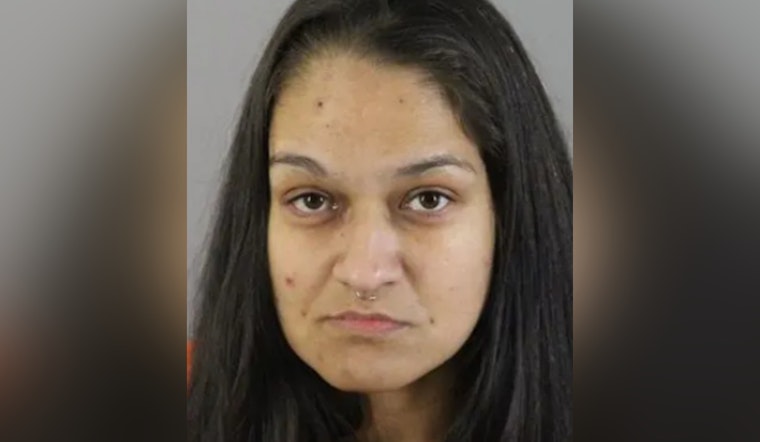
A Waukesha County mother whose 1-year-old daughter died from fentanyl exposure will spend nearly two decades in prison. On Friday, Feb. 27, a judge sentenced Elida Tejeda to 18 years behind bars plus 15 years of extended supervision for the May 2024 death of her toddler. Tejeda had entered a no-contest plea to first-degree reckless homicide in November, and the court found her guilty before imposing the punishment.
Sentence and plea
The 18-year prison term and 15 years of supervision were set out in open court, according to FOX6 News. Court filings show Tejeda pleaded no contest to first-degree reckless homicide in November 2025, and the judge entered a guilty verdict on that charge before Friday's sentencing hearing.
How investigators describe the morning
First responders were called to a Sussex apartment on the morning of May 19, 2024, after Tejeda's 1-year-old was found with no pulse and not breathing. The criminal complaint says Tejeda was "in visible distress," crying out, "Not my baby! Not my baby!" while emergency crews tried to revive the child. Hospital staff administered several doses of epinephrine and three rounds of naloxone while continuing CPR, but the girl was pronounced dead around 7:30 a.m., according to coverage that drew from the complaint. AOL reviewed those court details.
Autopsy and medical findings
An autopsy later found about 10 nanograms of fentanyl in the toddler's blood, a concentration the medical examiner described as "enough to kill an adult," and the death was ruled a homicide, FOX6 News reported. Toxicology tests also detected para-fluorofentanyl, and investigators said that combination was listed as the official cause of death.
Evidence at the scene
When officers searched the apartment, they reported finding uncapped needles, a burnt spoon, what they described as "crack pipes" and a joint in the same living area where the mother and child were said to sleep. A substance collected at the scene later tested positive for fentanyl. According to court documents cited in local coverage, Tejeda told investigators the needles in the unit had been used for heroin a few days before her daughter's death. AOL summarized the complaint.
Legal implications
Tejeda's no-contest plea to first-degree reckless homicide subjected her to one of the state's most serious charges. Under Wisconsin law, first-degree reckless homicide is a Class B felony and applies when a death occurs "under circumstances which show utter disregard for human life," as defined in state statute. The applicable charge and maximum penalties are detailed in the state criminal code. Wisconsin statutes explain the offense and sentencing range.
Fentanyl’s threat to children
Public health officials say fentanyl, a synthetic opioid that in its pharmaceutical form is roughly 50 to 100 times stronger than morphine, has fueled a steep rise in overdose deaths across the country. Illicitly manufactured fentanyl now turns up frequently in other street drugs, according to federal health guidance. The CDC reports that fentanyl is involved in a majority of recent deaths tied to synthetic opioids. Wisconsin has seen similar child cases, including one in Green Bay in which a mother was sentenced in 2023 after her toddler died from fentanyl exposure, an example of how prosecutors have approached comparable incidents. WBAY covered that sentencing.
Case closed in court
With Friday's ruling, the criminal case against Tejeda in Waukesha County Circuit Court is formally closed. The medical examiner's findings, the complaint and other filings remain part of the public record, and the case file will continue to be available through court records for anyone seeking the official documents tied to the prosecution.





