

























































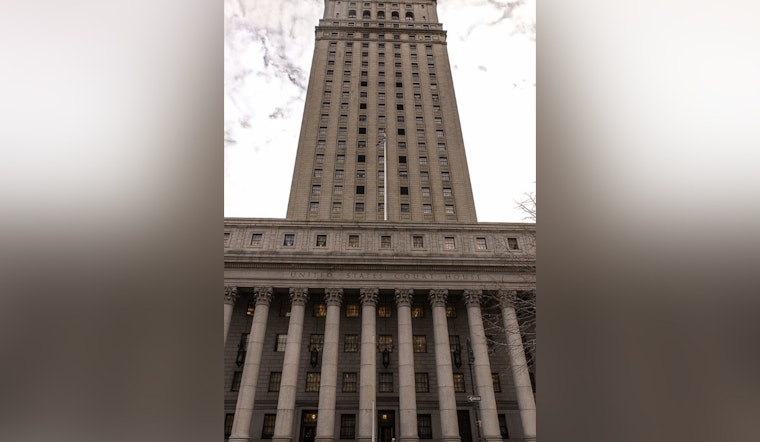
Hundreds of New Yorkers say the state has kept their names on a child-abuse registry for months or even years without giving them a timely hearing, according to a federal lawsuit filed Thursday. The complaint alleges that those delays have blocked people from jobs that require background checks and have fallen heaviest on Black and brown parents. The suit was filed in the Southern District of New York by the Family Justice Law Center and other civil-rights lawyers.
The complaint, filed in Manhattan federal court, says the New York State Office of Children and Family Services repeatedly failed to schedule administrative hearings for people listed on the Statewide Central Register, leaving many in limbo, as reported by The New York Times. The suit names OCFS officials, including Commissioner DaMia Harris‑Madden, and says roughly 20,400 parents received hearings from 2020 through mid‑2025 while more than 4,800 waited at least a year and some waited over seven years, according to the filing described by the paper. Plaintiffs say the backlog has real-world consequences because employers who work with children or vulnerable adults use the registry in routine background checks.
How the registry works and what is at stake for parents
The Statewide Central Register is run by the Office of Children and Family Services and receives hundreds of thousands of hotline calls and intake reports that feed New York’s child‑welfare system, according to a state audit by the New York State Comptroller. Agencies and licensing bodies that work with children or vulnerable adults are required to check the register when hiring, which means an indicated listing can cost someone a job even while they are trying to challenge it. Lawmakers and advocates have pushed reforms before, including a 2020 change that narrowed how long some neglect records appear in employment checks, but plaintiffs say delays persist. New York State lawmakers have also tightened access to certain registry records in an effort to limit long‑term harm to parents.
Backlog, race and the lawsuit’s claims
The new complaint alleges that the delays fall disproportionately on Black and brown parents and that the backlog effectively operates as a blacklist, a pattern that plaintiffs say perpetuates racial disparities in family policing, as reported by The New York Times. According to the suit, many people who requested hearings waited months or years while they were barred from caregiving, medical and other licensed work. The plaintiffs have asked the court to address systemic delays and to ensure that people receive timely administrative review.
Legal context and a past settlement
The case builds on an earlier class action that led to reforms more than a decade ago, when the state settled claims that people who requested hearings were sometimes ignored. Court records from the Finch litigation and the 2010 settlement describe that history and the state’s obligation to provide administrative review to those listed on the register. Plaintiffs say the new lawsuit is aimed at making those hearing rights workable in practice rather than protections that arrive only after a job is already lost, and attorneys argue that timely hearings are the main way to prevent long‑running collateral harm.
What happens next
The case will move forward in federal court in Manhattan and is expected to generate legal fights over remedies and timelines. If the plaintiffs win, the state could be ordered to change how it schedules hearings or to provide other broad relief. The Family Justice Law Center, a project incubated at the Urban Justice Center that brings impact litigation on behalf of families in the child‑welfare system, is one of the groups behind the filing and has pursued similar due‑process claims before. Urban Justice Center materials describe how strategic lawsuits have previously been used to push child‑welfare reforms.
For parents and advocates, the new filing is another test of whether court oversight, audits and rule changes will translate into faster, fairer reviews. Whatever the outcome, the lawsuit argues that tens of thousands of New Yorkers remain exposed to the registry’s administrative delays and the practical barriers those delays create for work and housing.





