

























































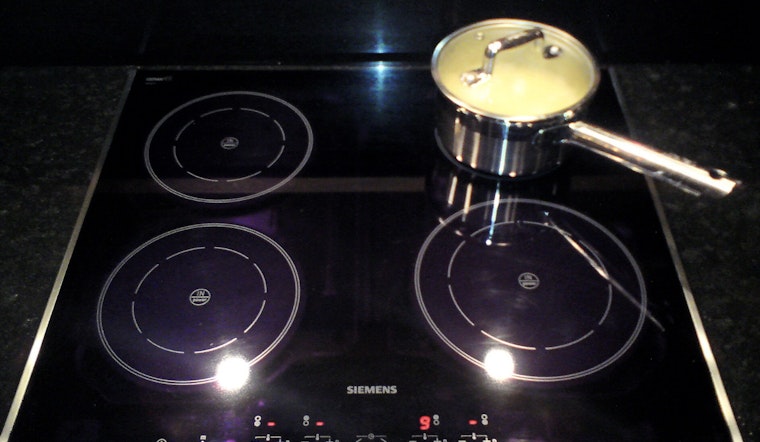
The New York City Housing Authority is getting ready to turn down the gas and turn up the voltage, rolling out a new pilot that will put induction cooktops in 100 public-housing apartments. The project is part of a broader multi-agency effort to swap out aging gas ranges for electric models under the Induction Stove Challenge, a test run that could eventually usher in thousands of new stoves across NYCHA buildings if the units prove safe and practical. The plan lands as the authority faces growing heat over deteriorating infrastructure and a swelling backlog of vacant apartments.
What officials announced
State and city officials say roughly $32 million is backing the effort, along with a contract with Berkeley-based manufacturer Copper to design, pilot and produce the induction units. Under that agreement, 100 prototype stoves will be installed for testing, with the option for a follow-up purchase of up to 10,000 units if the pilot hits its targets, according to NYSERDA.
Why proponents say it matters
Supporters are framing the switch as both a health and reliability upgrade. Induction cooking cuts out an open flame and on-site gas combustion, which advocates say can mean cleaner indoor air and fewer headaches when it comes to service interruptions. In an earlier neighborhood pilot at 1471 Watson Avenue in the Bronx, run in partnership with community group WE ACT, residents who switched from gas to induction saw about a 35 percent drop in daily nitrogen dioxide levels inside their homes, a change backers say could lower respiratory risks, according to WE ACT for Environmental Justice.
Making induction fit older buildings
The technical challenge is not just about cooking performance. Manufacturers were told to design stoves that run on standard 120-volt, 20-amp outlets so NYCHA buildings would not need expensive electrical overhauls before installation. State and city leaders laid out that requirement, along with a competitive request for proposals, when the Induction Stove Challenge first launched, according to Governor Kathy Hochul.
Local context and criticism
The rollout is unfolding against a backdrop of long-standing complaints about NYCHA’s pace on basic repairs and the number of apartments that sit empty while work drags on. NYCHA’s public dashboard shows nearly 6,000 vacant units, a figure cited by FOX 5 New York, and other coverage has suggested the real count is higher when apartments held offline for major fixes are included. Lawmakers and tenant advocates say any electrification push has to move in tandem with faster turnaround times and clearer move-in timelines so residents see livable homes, not just new appliances.
What’s next for residents
For the households tapped for the pilot, the upgrade will not stop at the stove. NYCHA and its partners say participating residents will receive induction-compatible cookware and training, while the authority tests the units for safety, day-to-day usability and energy performance before signing off on a broader rollout. If the results check out, NYCHA plans to move ahead with larger orders and production scaling supported by NYSERDA and NYPA. “If energy-efficient induction stoves can be redesigned to function in NYCHA buildings, it sets an amazing precedent,” NYCHA CEO Lisa Bova-Hiatt said in a press release. For more on the program’s scope and timeline, see NYCHA.





