

























































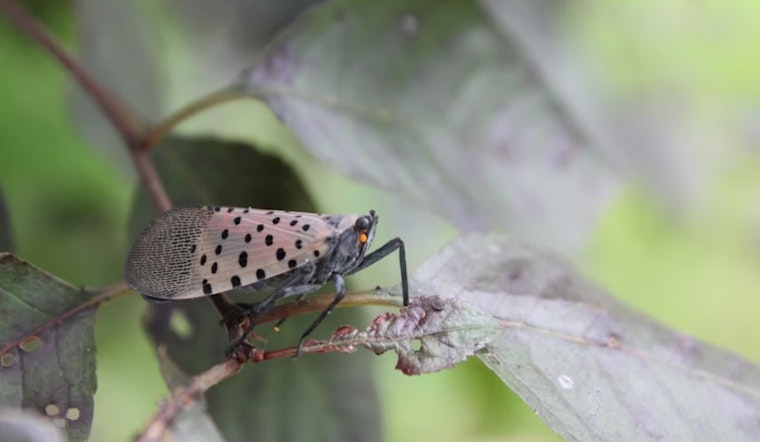
An invasive species known as the spotted lanternfly is prompting Ohio to enact a statewide quarantine in an effort to protect the state's $6 billion wine industry and other agricultural sectors. These pests, which were first discovered in Ohio in 2020, have become a significant threat to grapes, hops, apples, and black walnut tree saplings. According to Cleveland 19, the quarantine mandates that trees and nursery stock cannot be moved out of Ohio without proper documentation ensuring they are free from spotted lanternflies.
In light of the quarantine, businesses are to aggressively inspect stock and accompany each shipment with a certificate confirming the absence of the invasive pests, as mandated by the Ohio Department of Agriculture. "The spotted lanternfly is an invasive pest that is known to cause harm to Ohio’s agricultural industry," ODA Director Brian Baldridge confirmed in a statement obtained by News 5 Cleveland. The state is also calling on local property owners to vigilantly eliminate egg masses they see to prevent further spread.
Spotted lanternflies are particularly fond of the invasive tree of heaven, which serves as their primary host. Thomas DeHaas, an agriculture and natural resources educator at Ohio State University, suggests property owners can take action against the insect. "People can keep an eye out right now for egg masses on trees, especially tree-of-heaven. They can scrape those off using a credit card or a piece of plastic, then put them in soapy water—that will kill the eggs," DeHaas told News 5 Cleveland.
The impact of the spotted lanternfly extends beyond individual plants; if left unchecked, they could severely compromise Ohio's grape and wine industry, with the state ranking sixth in the U.S. and generating over $1 billion annually. While these bugs pose no direct harm to humans, their presence can, year after year, rob plants of essential nutrients, increasing susceptibility to diseases and potentially leading to plant death. Ohioans are now being advised to kill the pests on sight, either by spraying them with white vinegar or by squishing them, according to a statement obtained by Stat News.





