

























































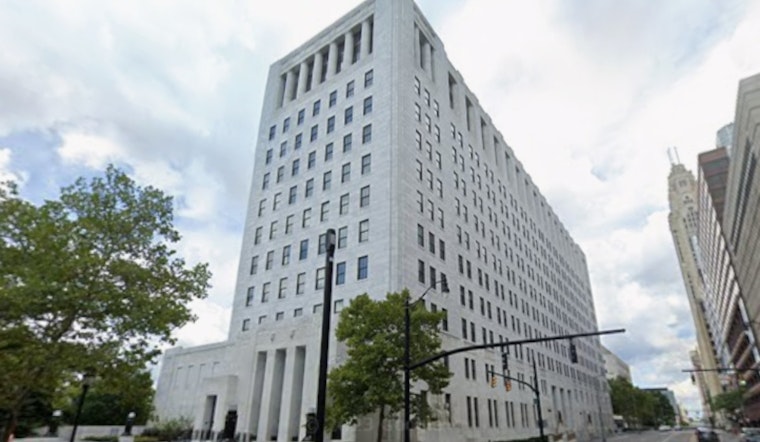
The Cuyahoga County Prosecutor's Office is set to present their arguments this Wednesday before the Ohio Supreme Court in the case involving the hit-and-run death of Cleveland Firefighter Johnny Tetrick. The high-profile incident, which resulted in firefighter Tetrick's death, was initially ruled as murder in the trial of Leander Bissell. However, this conviction was overturned by an Appeals Court last November, which complicated the narrative woven by prosecutors and potentially reduced Bissell's culpability to involuntary manslaughter, according to information from the Cuyahoga County Prosecutor's Office.
Firefighter Tetrick was fatally struck on November 19, 2022, while tending to a rollover accident on Interstate 90. Leander Bissell, according to video evidence and prosecutor's remarks, maneuvered past safety vehicles, sped through an emergency scene, and hit Tetrick without braking or stopping. Bissell was arrested later that night after the vehicle matching a suspected description was located by Bratenahl Police Department with assistance from the Cleveland Division of Police. "Firefighter Johnny Tetrick’s tragic death was not an accident," Prosecutor Michael C. O’Malley stated through the Cuyahoga County Prosecutor's Office. "Leander Bissell made a conscious decision to drive around clearly marked safety vehicles, accelerate through an active emergency scene, strike Firefighter Tetrick, and then flee without stopping. We believe, under the law, that is murder."
Bissell was found guilty of murder, among other charges, in July 2023 and subsequently sentenced to life in prison with eligibility for parole after 16 years. However, the appellate decision that followed introduced a discrepancy in findings, determining the state failed to prove Bissell had acted "knowingly," a key component required for a murder conviction under R.C. 2901.22(B). It's a provision that stipulates a person acts knowingly when they are aware their conduct will probably cause a certain result, not necessarily intending to cause harm. The Ohio Supreme Court's decision following Wednesday's arguments will seek to address this legal contention.
The prosecutor's office is adamant that Bissell's actions on that fateful night met the criteria for acting knowingly as defined under R.C. 2901.22(B). Their argument centers on the assertion that Bissell was cognizant of the risk his high-speed passage through the scene presented to those present, including other drivers, pedestrians, and emergency responders. They believe that this awareness of risk implies a level of recklessness sufficient for a murder charge, a position they will underscore in the upcoming hearing. The case has garnered considerable attention, with oral arguments slated to be live-streamed on the Supreme Court's website.



