

























































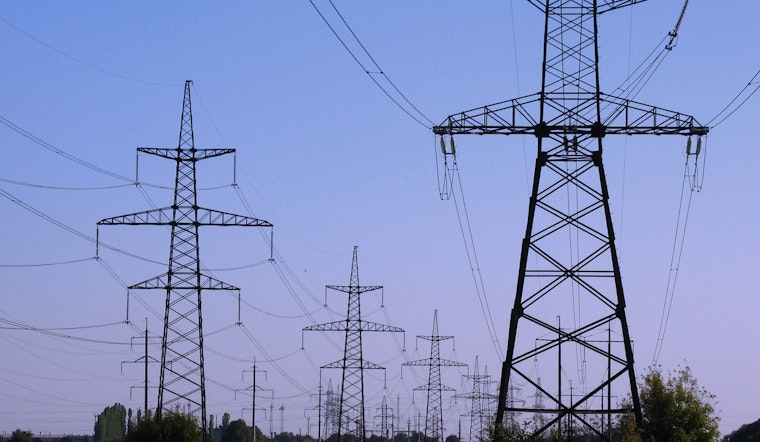
Oklahoma regulators took a hard look at the region’s power grid on Wednesday, and the message was not exactly comforting. Meeting in Oklahoma City, the Oklahoma Corporation Commission heard a new regional reliability report that says the bulk power system is under growing strain, with “uncertain energy availability” flagged as an extreme concern and cold‑weather generation outages and nation‑state threats among the top risks. The conversation quickly shifted from national‑scale warnings to what Oklahoma can realistically shore up before the next brutal cold snap hits.
The commission held the informational briefing during its 2:30 p.m. session in the Concourse Theater at the Will Rogers Memorial Office Building, with the public invited to sit in. As reported by Oklahoma Energy Today, the agenda included the 2026 MRO Regional Risk Assessment, the 2025 NERC Long‑Term Reliability Assessment and the MRO Generator Winterization Program. Utilities staff, industry groups and state regulators were expected to be in the room for the presentation.
What the MRO report warns
The Midwest Reliability Organization’s latest assessment is blunt. It identifies 14 distinct risks and ranks seven of them as Extreme or High priority. “Uncertain energy availability” stands alone in the Extreme category, while generation outages during extreme cold weather, supply‑chain compromise, inadequate inverter performance and nation‑state threats are all labeled High priority concerns.
“A reliable and secure power grid is more than a convenience; it is essential to our economy and daily lives,” MRO Senior Vice President and COO Richard Burt wrote in the report. The Regional Risk Assessment does not just list problems; it includes guidance and notes that the organization is developing Risk Management Action Plans to help utilities coordinate mitigations, as outlined by the Midwest Reliability Organization.
Why national trends matter
The MRO warning lands at the same time national watchdogs are pointing to a larger squeeze: long‑term demand is growing faster than confirmed, firm generation in many regions, driven in part by data centers and broader electrification. NERC’s long‑term outlook has cautioned that multiple assessment areas face resource adequacy challenges over the next decade, which raises the urgency for accelerated planning and transmission investment, according to the American Public Power Association.
Regulators say the national picture means state commissions and regional entities will need to coordinate more closely on fuel assurance, winterization and supply‑chain resilience, rather than treating them as one‑off issues that only surface during major storms.
Local stakes and what regulators might do
For Oklahoma, which sits inside the broader MRO footprint, the findings are not academic. The region includes roughly 260 organizations and serves about 28 million people, a scale that makes coordinated action more of a necessity than a talking point.
The commission’s agenda specifically called for discussion of the MRO Generator Winterization Program and the NERC Long‑Term Reliability Assessment side by side with the Regional Risk Assessment, according to Oklahoma Energy Today, and the MRO materials spell out the footprint and the risk priorities in detail. Commissioners could press utilities on winterization, contingency planning and supply‑chain tracking, or open formal inquiries if staff identify gaps in preparedness.
Regulatory authority and next steps
All of this sits inside a fairly rigid legal framework. NERC and the regional entities perform delegated reliability functions under Section 215 of the Federal Power Act, and FERC retains oversight of the Electric Reliability Organization and the standards it enforces, as described in filings and guidance on NERC’s site.
That chain of authority gives regulators and the ERO a path to coordinate mitigation actions, from recommended best practices to enforceable reliability standards, but it also limits what state commissions can impose on their own. In practical terms, that likely means follow‑up briefings and information requests in the weeks ahead as commissioners decide whether to move from an informational briefing to formal action. The legal tools and technical guidance they would rely on are already publicly documented by the ERO and in federal filings, even if how aggressively to use them is still very much up for debate.





