

























































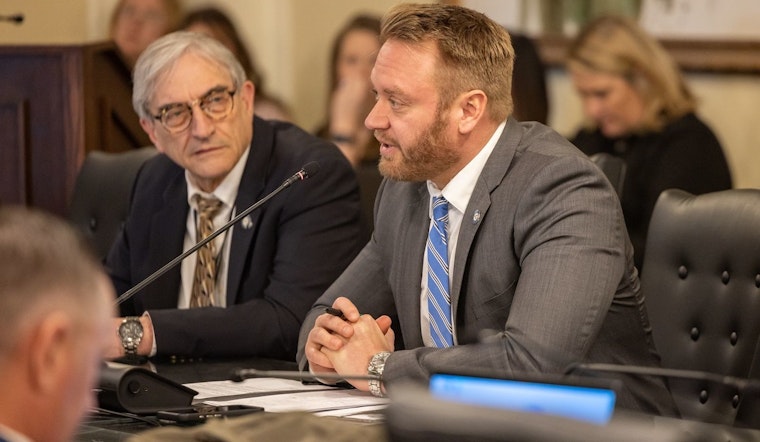
In an effort to safeguard energy costs for homeowners, Rep. Mickey Dollens, D-Oklahoma City, has made strides with HB 3917, which sailed through the Appropriations and Budget Natural Resources Subcommittee. The legislative move proposes a surcharge on data centers during periods of high energy demand, a directive that aims to shield residential customers from sudden spikes in energy rates and also serves as a financial backing for enhancements to the state's power grid infrastructure.
The bill, which won a unanimous vote, outlines a clear directive: those who draw more energy should foot a larger portion of the bill. This principle, Dollens believes, ensures a fairer distribution of expenses and a necessary trajectory toward a grid that keeps up with the evolving needs of our time. "I want to thank the Committee Chair and Committee for hearing and passing this legislation," said Dollens. "Simply put, customers who use more energy should be charged for that energy. This measure protects residential energy customers from unfair costs while ensuring that modernizing the electric grid does not get placed on the shoulders of Oklahomans," Dollens told the Oklahoma House of Representatives' website.
Key to Dollens’ plan is the formulation of a new fund within the Oklahoma State Treasury, deemed the "Grid Modernization Revolving Fund." Such a reserve would give the Oklahoma Corporation Commission the jurisdiction to tap into monetary resources specifically allocated for enhancements to the state's electric grid.
The bill's implications reach beyond immediate fiscal shifts. It reflects a growing acknowledgment that modern life demands a resilient, adaptable grid, one that holds the weight of commercial ambition without straining the homes it was first designed to serve. The proposed legislation, now steered towards the scrutinizing eyes of the Appropriations and Budget Committee, takes a significant step in restructuring how energy costs are allocated, and in turn, how communities might continue to thrive in a world where electricity is more than a commodity; it is a lifeline. The Oklahoma Legislature's support or rejection of such a measure, which would now head to the Appropriations and Budget Committee, will ultimately signal the state’s commitment to both economic equity and infrastructural foresight, according to the Oklahoma House of Representatives.





