

























































Oklahoma lawmakers are taking a swing at one of the biggest headaches in modern medicine: insurers changing the rules in the middle of a patient's treatment. A new proposal, Senate Bill 1306, would block health plans from tinkering with coverage for a prescription after the drug has already been approved, filled and is still being prescribed, a shift backers say could cut the reauthorization delays that leave patients waiting for crucial meds.
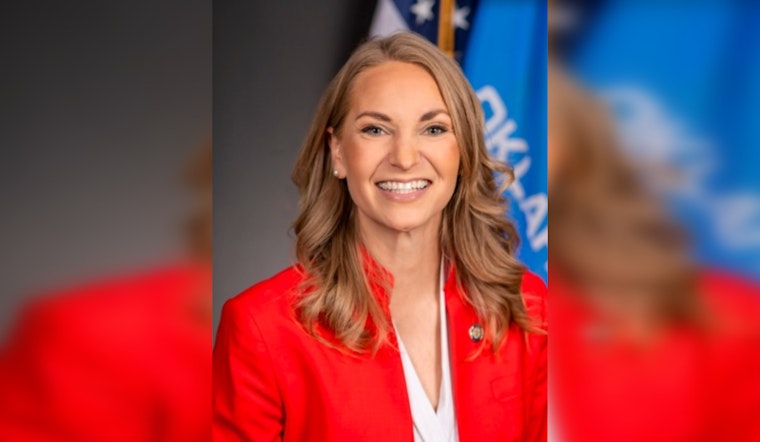
SB1306 is carried by Sen. Carri Hicks, who told KFOR the fight is personal. Her son has type 1 diabetes and has dealt with refill delays, and KFOR reports she has pushed similar language four times before. Her office, along with supportive clinicians, frames the bill as a way to stop short-term plan changes that leave people with chronic illnesses scrambling for their next refill.
How the bill would work
According to the Oklahoma State Legislature, SB1306 would bar insurers from changing coverage on a drug that has already cleared prior authorization, has been dispensed to the patient, and is still being written by a practitioner. Once those boxes are checked, the insurer could not hike cost sharing, deny continued coverage, move the drug to a more restrictive tier, or swap a brand-name drug for a generic after a patient has already qualified for the brand.
The bill carves out a few exceptions. Insurers could still act if the U.S. Food and Drug Administration raises safety concerns about a medication or if a manufacturer signals the drug is being discontinued. Outside of those situations, though, the measure is written to lock in coverage terms for the duration of the treatment.
SB1306 also tells the Insurance Commissioner to draft rules to carry the law out and authorizes civil penalties for companies that break it. The text specifies that any insurer that violates the provision shall be subject to a civil penalty in an amount to be determined by the Insurance Commissioner, which means regulators would have to spell out the details later. The proposed effective date is November 1.
Physicians and patient advocates argue that kind of stability could clear away a lot of routine red tape. Dr. George Monks, a former president of the Oklahoma State Medical Association, told KFOR that reauthorizations often trigger long delays, drive up costs and can push patients into missed doses or even emergency care when a refill stalls out.
Those local complaints mirror what doctors say nationally. The American Medical Association has documented widespread physician concern that prior authorization programs slow down treatment and sometimes lead patients to walk away from recommended care entirely, a backdrop that has given state-level efforts like SB1306 extra momentum.
Legal and enforcement questions
Exactly how tough SB1306 would be in practice depends heavily on what the Insurance Commissioner does next. The bill hands the office authority to set both rules and penalties, so regulators would decide what enforcement looks like if the proposal becomes law. That future rulemaking, and how steep any fines turn out to be, is likely to be a flash point among insurers, patient advocates and state officials.
The open-ended penalty language in the introduced bill, which leaves the dollar amounts entirely up to the commissioner, also sets the stage for arguments over how aggressively the state should police midtreatment coverage changes.
What comes next
The measure was filed at the end of December and received its first reading in the Senate on Monday last week. Tracking by LegiScan lists committee action this week as the next step. From there, SB1306 would still need to clear a committee, win floor votes and ultimately land on the governor's desk before it could become law.
Supporters say the goal is straightforward: cut down on repeated authorization paperwork and stop surprise midstream coverage changes so patients with chronic conditions keep steady access to the medicines they already rely on. Whether lawmakers agree that tradeoff justifies another layer of regulation for insurers will determine whether SB1306 becomes yet another talking point in the prior authorization debate or an actual new guardrail in Oklahoma's insurance code.





